

What overcleansing actually means, and the mistakes most people don’t realize they’re making
Overcleansing occurs when you wash your skin more frequently than recommended, or when the products you use are harsh enough to strip your skin’s natural barrier with every use. The result is not cleaner skin. It is compromised skin, one that has lost the ceramides, cholesterol, and fatty acids that hold its protective structure together.
The most common skincare overcleansing mistakes include:
- Washing the face more than twice daily under the belief that more cleansing equals purer skin
- Using hot water, which amplifies surfactant damage and increases transepidermal water loss (TEWL)
- Reaching for harsh, high-foam cleansers containing sodium lauryl sulfate (SLS)
- Scrubbing vigorously with a cloth or brush instead of using gentle, circular pressure
- Layering multiple active ingredients immediately after cleansing on an already-stressed barrier
- Double cleansing every single night regardless of whether makeup or SPF was worn
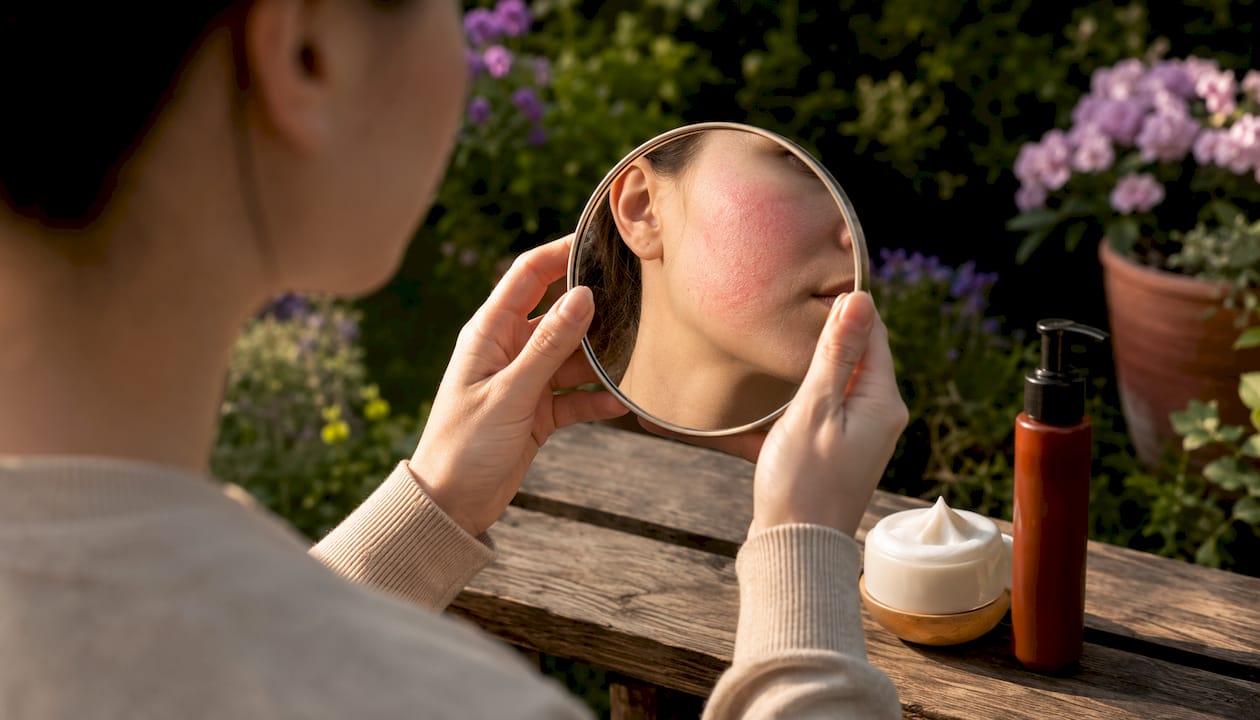
The visible signs that your skin is telling you to slow down include persistent tightness after washing, redness that lingers, fine flaking, stinging when applying serums, and a dullness that no moisturizer seems to resolve. These are not skin type changes. They are signals of barrier disruption.
Table of Contents
- Why overcleansing causes real, lasting harm to your skin
- The most frequent cleansing errors, and how to correct each one
- How to cleanse gently and keep your barrier intact
- What to remember when correcting overcleansing habits
- Shellabellabeauty supports your skin’s return to balance
- FAQ
- Key Takeaways
Why overcleansing causes real, lasting harm to your skin
Your skin’s barrier is not simply a surface. It is a carefully organized structure of corneocytes and lipid lamellae, often described as a “brick-and-mortar” architecture, where ceramides make up roughly 40–50% of the intercellular lipid matrix, alongside cholesterol and free fatty acids. When that matrix is repeatedly stripped, the consequences accumulate.
Harsh surfactants like SLS damage the barrier by raising the skin’s natural pH from its ideal level, a shift that significantly increases barrier damage compared to cleansers formulated at a balanced pH. That pH disruption impairs the enzymatic processes your skin relies on to retain moisture and defend against irritants.
The harm compounds with frequency. Research shows that barrier damage increases with cumulative washing frequency, with transepidermal water loss rising steadily as each wash removes more than the skin can restore between sessions. Hot water accelerates this process by loosening lipid bonds before surfactants even begin their work.
Key overcleansing consequences to recognize:
- Chronic dryness and tightness from lipid depletion that moisturizers cannot fully compensate for
- Redness and inflammation as the barrier loses its ability to block environmental irritants
- Increased breakouts caused by microbiome disruption, not excess oil
- Stinging and sensitivity when applying previously well-tolerated serums or treatments
- Moisturizer inefficacy, where hydration sits on the surface rather than absorbing, because barrier pH is off
The most frequent cleansing errors, and how to correct each one
Cleansing too often
Cleansing once in the morning and once at night is the upper limit for most skin types. If your skin feels tight by midday, that is a sign to reduce, not increase, your frequency. A gentle rinse with lukewarm water in the morning, without any cleanser at all, is often sufficient for those with dry or sensitive skin.
Using the wrong cleanser formula
Soap-free cleansers formulated at pH 5.5 preserve the barrier far more effectively than high-foam alternatives. Shellabellabeauty’s Urban Detox™ Cleanser is formulated as a mild, non-foaming option that removes impurities without disrupting the skin’s natural equilibrium, making it a considered choice during both daily maintenance and barrier recovery.
Over-scrubbing during cleansing
Physical pressure does not improve cleansing efficacy. It introduces micro-abrasion that weakens the barrier over time. Apply your cleanser with clean fingertips using light, circular motions, then pat, never rub, your skin dry with a soft cloth.
Misusing double cleansing
Double cleansing is effective only when the first step is genuinely gentle, such as a micellar water or a light oil cleanser, and when it is reserved for evenings when you have worn makeup or mineral SPF. On bare-skin days, a single gentle cleanse is all your barrier needs. For removing eye and lip makeup specifically, Shellabellabeauty’s PureGlow Dual Phase Elixir dissolves product from delicate areas without the friction that leads to barrier stress in those zones.
Layering actives on a compromised barrier
When your skin is already showing signs of overcleansing, retinoids, vitamin C, AHAs, and BHAs do not help. They worsen the damage. During barrier recovery, stop all active ingredients and simplify your routine to three steps: a gentle cleanser, a ceramide-rich moisturizer, and a mineral sunscreen. Recovery typically requires at least two weeks of this simplified approach before actives can be reintroduced gradually.
Pro Tip: Reintroduce one active at a time, with at least a week between additions, and always follow with a ceramide moisturizer to buffer any residual irritation. Consistency in simplicity heals faster than variety.
A simplified, consistent routine accelerates barrier healing more reliably than cycling through multiple products. Knowing which sensitive skin cleanser ingredients to look for, such as glycerin, ceramides, and panthenol, helps you make that simplified routine genuinely restorative.
How to cleanse gently and keep your barrier intact
Healthy cleansing is not about doing less for its own sake. It is about doing the right things with intention and care. These best practices form the foundation of a barrier-respecting routine:
- Cleanse once or twice daily with a non-foaming, pH-balanced cleanser suited to your skin type
- Use lukewarm water throughout, both to wet the skin and to rinse, since hot water increases TEWL and amplifies any surfactant damage
- Apply with fingertips only, using gentle circular motions for 30–60 seconds, then rinse thoroughly
- Pat dry with a clean, soft towel rather than rubbing, which preserves the lipid film you just worked to protect
- Follow immediately with a moisturizer containing ceramides, hyaluronic acid, or niacinamide to seal hydration while the skin is still slightly damp
- Reserve double cleansing for evenings when you have worn SPF or makeup, using a gentle first step
- Apply mineral SPF every morning as the final layer, since a healthy barrier still needs protection from UV-induced oxidative stress
For those rebuilding after barrier damage, a skin barrier repair routine that prioritizes hydration and ceramide replenishment over treatment is the most direct path back to comfort and radiance. Those with sensitive skin regimens will recognize the same principle: gentleness is not passive, it is precise.
What to remember when correcting overcleansing habits
The path back to balanced, radiant skin begins with recognizing these patterns and choosing differently, one wash at a time.
- Stop washing more than twice daily, and consider a water-only morning rinse if your skin feels reactive
- Retire any cleanser that leaves your skin feeling tight, squeaky, or stripped
- Watch for redness, flaking, stinging, and moisturizer inefficacy as early signs of barrier compromise
- Pause all active ingredients the moment barrier damage appears, and hold for at least two weeks
- Rebuild with a ceramide moisturizer, mineral SPF, and a gentle, pH-balanced cleanser as your only three steps
- Reintroduce actives one at a time, slowly, once your skin feels calm and comfortable again
- Prioritize consistency over variety; a simple routine practiced with patience outperforms a complex one applied erratically
Shellabellabeauty supports your skin’s return to balance
Radiance is not something you add to your skin. It is something you allow it to return to, and that begins with choosing products that work with your barrier rather than against it.
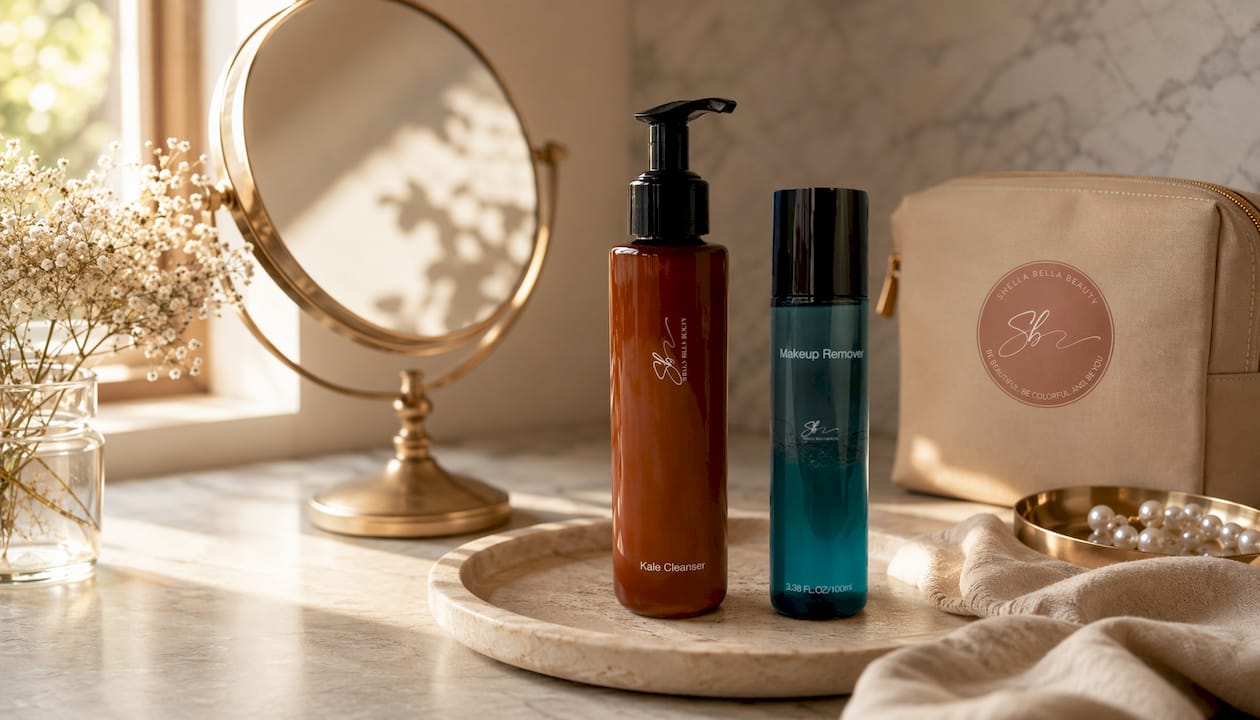
Shellabellabeauty’s Urban Detox™ Cleanser was formulated precisely for this: a mild, non-foaming cleanse that removes what needs to go without disturbing the lipid structure your skin depends on. Paired with the PureGlow Dual Phase Elixir for gentle makeup removal and the ingredient education available through Glow Chronicles, it offers a complete, thoughtful approach to cleansing that honors your skin’s natural intelligence. Visit Shellabellabeauty to explore the full range and find the gentle ritual your skin has been asking for.
FAQ
What are the most common skincare overcleansing mistakes?
Washing your face more than twice daily, using high-foam or SLS-based cleansers, scrubbing aggressively, and applying active ingredients on a compromised barrier are the most frequent errors. Each one strips the skin’s protective lipid layer and delays its ability to restore balance.
How do I know if I’m overcleansing my skin?
Persistent tightness after washing, redness, fine flaking, stinging when applying serums, and a moisturizer that no longer seems to absorb are the clearest signs of overcleansing. These symptoms indicate barrier disruption rather than a change in skin type.
How long does it take to recover from overcleansing?
Recovery typically requires at least two weeks of a simplified routine, a gentle cleanser, a ceramide-rich moisturizer, and mineral SPF, with all active ingredients paused until the skin feels calm and comfortable again.
Is double cleansing harmful?
Double cleansing is only appropriate when you have worn makeup or mineral SPF, and only when the first step is genuinely gentle, such as a micellar water. Daily double cleansing on bare skin strips the barrier unnecessarily.
What ingredients should I look for in a gentle cleanser?
Ceramides, glycerin, panthenol, and a pH around 5.5 are the markers of a cleanser that cleanses without compromising. Shellabellabeauty’s Urban Detox™ Cleanser is formulated with these principles in mind.
Key Takeaways
Overcleansing damages the skin barrier by stripping ceramides and disrupting pH, and recovery requires at least two weeks of a simplified, gentle routine before actives can safely return.
| Point | Details |
|---|---|
| Overcleansing definition | Washing more than twice daily or using harsh products that strip the skin’s natural protective barrier |
| pH matters significantly | Alkaline cleansers raise skin pH from its ideal level, increasing barrier damage significantly compared to pH-balanced formulas |
| Recovery protocol | Stop all actives for at least two weeks; use only a gentle cleanser, ceramide moisturizer, and mineral SPF |
| Hot water worsens damage | Lukewarm water is advised because hot water increases TEWL and amplifies surfactant-related barrier disruption |
| Shellabellabeauty’s approach | The Urban Detox™ Cleanser offers a mild, non-foaming cleanse designed to protect barrier integrity with every use |
Recommended
- Morning Skincare Routine Order Made Simple – Shella Bella Beauty™
- Skincare for Normal Skin: A Routine That Keeps Skin in Balance – Shella Bella Beauty™
- Refined Evenings: An Evening Skincare Routine for Smoother Texture – Shella Bella Beauty™
- Cream Cleanser vs Gel Cleanser for Your Skin – Shella Bella Beauty™
- Join Glow Chronicles™ — Continue the Glow™ with editor’s picks, seasonal beauty rituals, exclusive skincare insights, and new editions delivered to your inbox.