

The most reliable keratosis pilaris treatment follows a single, consistent sequence: gentle cleansing, a keratolytic chemical exfoliant, and immediate moisturizing applied while skin is still damp. Mayo Clinic confirms that topical keratolytics — including lactic acid, salicylic acid, and urea — can improve texture meaningfully, though stopping treatment typically allows lesions to return. Think of this as a ritual of maintenance rather than a cure, one your skin will thank you for sustaining with patience and care.
Your starting routine at a glance:
- Cleanse with a gentle, fragrance-free body wash in a warm (not hot) shower of 10 minutes or less
- Exfoliate with a keratolytic product containing lactic acid, glycolic acid, salicylic acid, or urea — begin 2–3 times per week
- Moisturize immediately after patting skin dry, while it is still slightly damp, to seal in hydration and calm any stinging
Pro Tip: Apply your keratolytic first, wait two to three minutes, then layer your moisturizer directly on top. This sequencing, recommended by the AAD, reduces stinging and protects the skin barrier from the drying effect of actives. Always patch test a new product on a small area for 48 hours before applying it to the full arm or leg.
Key Takeaways
Consistent, gentle keratolytic care applied in the correct sequence is the most reliable path to visibly smoother skin with keratosis pilaris.
| Point | Details |
|---|---|
| Follow the three-step sequence | Cleanse, apply keratolytic (AHA/BHA/urea), then moisturize immediately while skin is damp. |
| Start actives slowly | Begin 2–3 times per week and increase only when skin shows no irritation. |
| Expect weeks to months | Visible improvement takes consistent effort; stopping treatment usually allows lesions to return. |
| Escalate after several weeks | If OTC care produces no change, consult a dermatologist for prescription retinoids or in-office options. |
| Shellabellabeauty supports your ritual | Shellabellabeauty offers premium body care formulations and Glow Chronicles guidance to help you build and sustain a KP-friendly routine. |
Table of Contents
- What is keratosis pilaris and how do clinicians diagnose it?
- How to manage keratosis pilaris at home with a daily routine
- Which OTC active ingredients actually work for KP?
- When OTC care isn’t enough: prescription and in-office options
- What timeline and costs should you expect?
- How to prepare for your dermatologist appointment
- Shellabellabeauty’s expert maintenance routine for smoother skin
- The patience your skin deserves: a perspective on managing KP
- Elevated care for your skin, curated by Shellabellabeauty
- Sources
- FAQ
What is keratosis pilaris and how do clinicians diagnose it?
Keratosis pilaris (KP) is a common, benign skin condition in which excess keratin accumulates inside hair follicles, forming small, rough plugs that appear as pinhead-sized bumps on the skin’s surface. These bumps cluster most often on the outer upper arms, thighs, cheeks, and buttocks — the extensor surfaces where follicles are dense. The texture is often described as sandpaper or “chicken skin,” and the bumps may carry a faint redness or a grayish cast depending on skin tone.
Why does it form?
- Genetics play the primary role; KP runs in families and is considered an autosomal dominant trait
- Atopic dermatitis (eczema) and ichthyosis vulgaris are strongly associated, meaning people with those conditions are more prone to KP
- Dry skin and low humidity worsen the appearance, which is why many people notice flares in winter or in arid climates
- Hormonal shifts during adolescence can trigger or intensify KP, and it often softens naturally in adulthood
Diagnosis is entirely visual. A clinician examines the distribution and character of the bumps and rarely needs any laboratory testing. When the presentation is atypical — widespread inflammation, scarring, or unusual distribution — a dermatologist may consider other diagnoses such as folliculitis, lichen spinulosus, or milia. The NCBI clinical overview emphasizes that patient education about the benign, chronic nature of KP is itself a meaningful part of care.
How to manage keratosis pilaris at home with a daily routine
The AAD’s three-step self-care plan remains the most practical foundation for managing KP at home. Consistency matters far more than intensity, and building this sequence into a daily ritual — the way you might approach any mindful self-care practice — tends to produce the steadiest results. Learning how to build a skincare routine that fits your schedule makes adherence far easier.
Step 1: Cleanse gently Use a mild, fragrance-free body wash and lukewarm water. Keep showers short — ideally under 10 minutes — because prolonged hot water strips the skin’s natural oils and worsens the dryness that feeds KP. Pat skin dry with a soft towel rather than rubbing.
Step 2: Apply your keratolytic exfoliant Choose a product containing lactic acid, glycolic acid, salicylic acid, or urea (see the ingredient guide below). Apply it to affected areas — commonly the outer arms and thighs — and allow it to absorb for two to three minutes before moving to the next step. Start at 2–3 applications per week and increase slowly only when your skin shows no irritation. Harvard Health advises against daily aggressive exfoliation early on, because over-exfoliation disrupts the skin barrier and can reset any progress you have made.
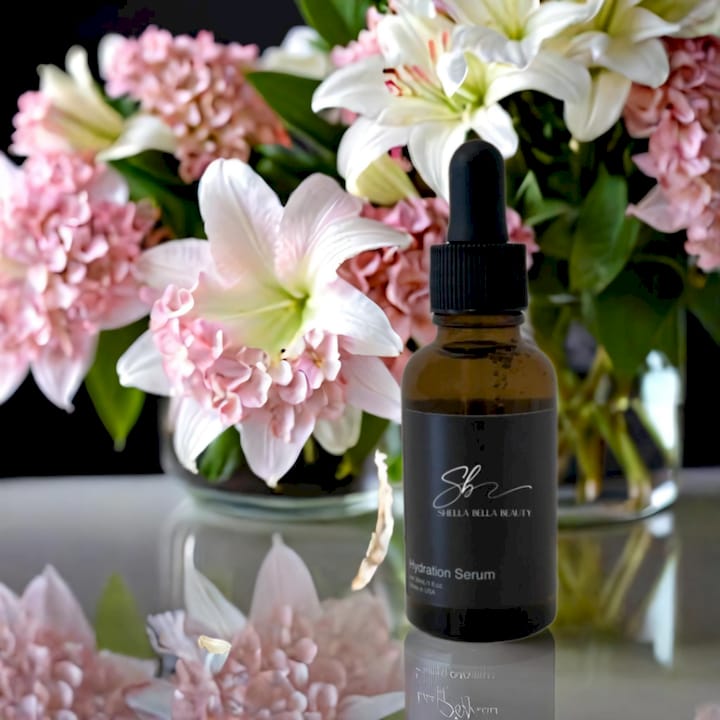
Step 3: Moisturize immediately Apply a rich, fragrance-free cream or ointment while skin is still slightly damp. Ceramide-containing formulas and those with glycerin or shea butter work well for body use. Reapply throughout the day if skin feels tight or dry.
Supportive lifestyle adjustments:
- Run a humidifier in your bedroom during dry winter months, since Mayo Clinic notes that low ambient humidity directly worsens KP
- Wear loose, breathable fabrics (cotton, linen) on affected areas to reduce friction
- Avoid mechanical scrubs with coarse particles — they create micro-tears and inflame follicles without dissolving keratin plugs
- When shaving or using hair-removal methods on affected areas, follow immediately with a soothing, alcohol-free moisturizer
Pro Tip: If your skin finds pure keratolytic lotions too drying, try applying a thin layer of a nourishing body oil — such as one containing squalane or jojoba — over your moisturizer at night. This ointment-style occlusion locks in the active ingredients and softens the skin’s surface by morning.
Which OTC active ingredients actually work for KP?
Over-the-counter products offer a meaningful range of options for keratosis pilaris skincare, and choosing the right ingredient class for your specific concern makes a real difference. Mayo Clinic notes that acids can sting or irritate, so matching the ingredient to your skin’s tolerance is as important as the ingredient itself.
| Ingredient | Typical OTC Strength | What It Improves | Main Cautions |
|---|---|---|---|
| Lactic acid (AHA) | 5% | Texture, scale, mild hydration | Sun sensitivity; avoid on broken skin |
| Glycolic acid (AHA) | 5–10% | Texture, surface cell turnover | Stronger sun sensitivity than lactic |
| Salicylic acid (BHA) | 0.5% | Follicular debris, mild redness | Avoid in young children; drying at higher strengths |
| Urea | 5–20% | Hydration, scale, rough texture | Mild stinging on sensitive or cracked skin |
A few notes on each:
- Lactic acid is generally the gentlest AHA and is often the first choice for sensitive skin or those new to exfoliation for KP. Its dual action as both a humectant and a keratolytic makes it particularly well-suited to the dry, rough texture of KP.
- Glycolic acid penetrates more deeply than lactic acid and tends to produce faster visible results, but it carries a higher risk of irritation and sun sensitivity, so diligent SPF use on exposed areas is non-negotiable.
- Salicylic acid is oil-soluble, which allows it to penetrate the follicle more directly than AHAs. It works well when follicular plugging is the dominant concern rather than surface dryness. Avoid using it on large body areas in young children.
- Urea at 10–20% functions as both a deep humectant and a gentle keratolytic, making it an excellent choice for very dry, thickened skin. It tends to be well-tolerated and is a good option for those who find acids too reactive.
Before you begin any new active:
- Patch test on a small area for 48 hours
- Reduce frequency if stinging, redness, or peeling appears
- Apply broad-spectrum SPF 30+ to any sun-exposed treated areas
When OTC care isn’t enough: prescription and in-office options
For skin that does not respond to a consistent OTC kp skincare routine after six to twelve weeks, a dermatologist can offer a stepwise escalation. The Merck Manual describes this approach clearly: begin with emollients and topical keratolytics, then consider retinoids or laser for refractory cases, while acknowledging that responses can be variable and sometimes unsatisfactory.
Prescription topical retinoids
Tretinoin, tazarotene, and adapalene promote cell turnover and reduce the formation of keratin plugs. They are effective for both texture and, to a degree, the redness associated with KP. Tolerability is the main challenge: dryness, peeling, and initial irritation are common, particularly in the first four to six weeks. Retinoids are contraindicated during pregnancy, and they require consistent SPF use on treated areas. Pairing a retinoid with a rich emollient applied immediately after — a technique sometimes called the “sandwich method” — can meaningfully reduce irritation. For guidance on layering active serums and retinoids, the serum routine guide at Shellabellabeauty offers useful context on tolerability and sequencing.
Short-course topical corticosteroids
When KP presents with notable redness and inflammation rather than texture alone, a dermatologist may prescribe a mild-to-moderate topical steroid for a brief period. These are not a long-term solution — prolonged use carries risks of skin thinning — but they can calm an inflamed flare so that keratolytic maintenance becomes more comfortable.
In-office procedures
- Chemical peels (glycolic or lactic acid at clinical concentrations) accelerate surface cell turnover and can produce visible texture improvement after a series of treatments
- Pulsed dye laser (PDL) targets the redness and vascular component of KP, making it particularly useful when erythema is the dominant concern
- Nd:YAG and fractional lasers address both texture and pigmentation changes, though multiple sessions are typically needed
- Phototherapy is occasionally used for widespread or refractory cases, though evidence remains limited
Pro Tip: If you are considering laser treatment, ask your dermatologist specifically whether the redness or the texture is the primary target. PDL addresses redness most directly; fractional resurfacing addresses texture. Knowing which concern drives your dissatisfaction helps you choose the right procedure and set realistic expectations for each session.
What timeline and costs should you expect?
Realistic expectations are among the most important parts of any keratosis pilaris treatment plan. Harvard Health recommends several weeks of consistent treatment before expecting visible improvement, and continuation afterward to prevent recurrence. Most people notice a meaningful softening of texture within four to eight weeks of a steady routine; redness may take longer and may require additional measures.
Key safety reminders:
- Acids sting on broken, sunburned, or freshly shaved skin — wait 24 hours after shaving before applying keratolytics
- Retinoids require sun protection and are not safe during pregnancy
- Avoid applying strong AHAs or salicylic acid to large body areas in young children without medical guidance
- Patch test every new product before full application
- If irritation develops, reduce frequency rather than stopping entirely — the goal is to find the lowest effective frequency your skin tolerates
Cost context:
OTC keratolytic lotions and creams typically range from roughly $10 to $40 per product. A board-certified dermatologist visit in the United States generally runs $150–$300 or more without insurance, depending on location and practice. Elective laser sessions for KP-related redness or texture can range from several hundred to over a thousand dollars per session, with multiple sessions often recommended. These are general ranges; actual costs vary by provider, geography, and insurance coverage.
The NCBI clinical overview notes that most KP therapies are primarily cosmetic and that controlled-trial evidence remains limited, which is a candid reminder to frame your goals around meaningful improvement rather than complete clearance.
How to prepare for your dermatologist appointment
Arriving prepared makes a dermatology visit far more productive. When your concern is KP that has not responded to home care, bring the following:
- Recent photos taken in good natural lighting that show the affected areas clearly, including close-ups of texture and any redness
- A written list of products tried, with ingredient names if possible, and how long you used each
- A timeline of when you started treatment, what improved (if anything), and what worsened
- A symptom note covering whether you experience itching, pain, or any bleeding from picking
Questions worth asking your dermatologist:
- What timeline should I expect with the treatment you are recommending?
- Are there side effects I should watch for, and what should I do if they appear?
- Should I pause any of my current products before starting the new prescription?
- What does a long-term maintenance plan look like once the skin improves?
Consider scheduling a dermatology consultation if KP causes significant cosmetic distress, if redness is worsening, if you notice scarring or post-inflammatory pigmentation, or if two to three months of consistent OTC treatment has produced no meaningful change. Hyperpigmentation that lingers after KP bumps flatten is a separate concern worth addressing; the guide on treating hyperpigmentation at Shellabellabeauty covers that territory thoughtfully.
Shellabellabeauty’s expert maintenance routine for smoother skin
Once your skin has responded to the initial treatment phase, the goal shifts from active correction to graceful maintenance. This elevated ritual, aligned with the evidence-based three-step approach, is designed to sustain clarity and softness with intention rather than effort.
- Daily morning cleanse: Use a gentle, sulfate-free body wash in a lukewarm shower. Pat dry and apply a lightweight, ceramide-rich body lotion immediately.
- Active evenings (2–3 nights per week): Apply a lactic acid or urea-based body treatment to affected areas after cleansing. Allow two to three minutes of absorption, then layer a nourishing body cream or ointment over the top to seal in the active and protect the barrier. An evening skincare routine focused on barrier repair pairs naturally with this step.
- Rest nights (remaining evenings): Skip the active entirely and apply a richer emollient — a cushioned cream or a body oil with squalane or rosehip — to allow the barrier to recover and consolidate its gains.
- Weekly gentle buff (if tolerated): Once per week, use a soft washcloth or a very fine-textured body polish in gentle circular motions before your active step. This physical prep can help the keratolytic penetrate more evenly, but skip it entirely if your skin shows any irritation.
- Seasonal adjustment: In winter or low-humidity environments, increase the richness of your moisturizer and consider adding a humidifier to your bedroom. In summer, prioritize SPF 30+ on any treated areas exposed to sunlight.
Pro Tip: Once your skin reaches a noticeably smoother baseline, you can often reduce your active nights from three to one or two per week and maintain the result with consistent moisturizing. This “maintenance frequency” is gentler on the barrier and easier to sustain long term. Think of it as the skin’s natural rhythm, honored rather than overridden.
The patience your skin deserves: a perspective on managing KP
There is a particular kind of frustration that comes with a skin condition that is entirely harmless yet persistently visible. Keratosis pilaris sits in that space — common enough that a substantial portion of adults live with it at some point, benign enough that clinicians rarely treat it as urgent, yet persistent enough to affect how you feel in your own skin.
What the evidence consistently shows is that improvement is real and achievable, but it arrives gradually and requires maintenance to hold. No single product produces a permanent cure, and the Merck Manual is candid that responses vary and can be unsatisfactory. That honesty is not discouraging — it is clarifying. It means the goal is a sustained ritual, not a one-time fix, and that framing tends to produce better outcomes because it removes the pressure of expecting overnight transformation.
Skin that is cared for consistently, gently, and with the right ingredients tends to find its own balance. If your concern deepens or your skin worsens despite a steady routine, a board-certified dermatologist is the right next step — not a sign of failure, but a natural part of the stepwise approach that clinical guidance recommends.
Elevated care for your skin, curated by Shellabellabeauty
Premium textures make a quiet but real difference in KP management. Richer emollients and elegantly formulated body treatments are easier to apply consistently, more comfortable to wear, and more likely to support the barrier repair that keratolytic actives require. When a product feels like a ritual rather than a chore, adherence follows naturally.

Shellabellabeauty brings together high-performance skincare formulations and expert-led guidance so that your KP routine feels as refined as it is effective. From barrier-supporting body creams to curated ingredient education through Glow Chronicles, the brand offers a thoughtful path from rough texture toward the radiant, smooth skin that consistent care can restore. Visit Shellabellabeauty to explore curated skincare collections and expert guidance tailored to your skin’s needs, and take the first step toward a routine you will actually want to keep.
Sources
The following clinical sources informed this guide. Each covers a distinct aspect of KP care, and consulting them directly can deepen your understanding before or after a dermatologist visit.
- Keratosis pilaris - Diagnosis and treatment
- Keratosis pilaris: Self-care
- Keratosis pilaris: Treatment and self-care for this common skin condition - Harvard Health
- Keratosis Pilaris - Dermatology - Merck Manual Professional Edition
- Keratosis pilaris (clinical overview) - NCBI Bookshelf
A board-certified dermatologist remains the most reliable guide for personalized care, particularly when OTC approaches have not produced the results you hoped for.
This article is general information, not a substitute for advice from a qualified doctor. Consult a qualified healthcare professional about your own circumstances before acting on anything here.
FAQ
How quickly can you reduce keratosis pilaris bumps?
Most people see meaningful texture improvement after four to eight weeks of a consistent keratolytic routine, though Harvard Health notes that several weeks of steady treatment are needed before results become visible. Stopping treatment typically allows bumps to return.
What triggers keratosis pilaris to flare up?
Dry skin, low humidity, cold weather, and genetic predisposition are the primary triggers, with Mayo Clinic noting that seasonal dryness and conditions like atopic dermatitis can worsen KP significantly.
What skin conditions are commonly mistaken for keratosis pilaris?
Folliculitis, lichen spinulosus, and milia can resemble KP, which is why a dermatologist’s visual assessment matters when the presentation is atypical, widespread, or accompanied by inflammation and scarring.
What Korean skincare approaches are used for keratosis pilaris?
Korean skincare routines often address KP through layered hydration, gentle chemical exfoliation with AHAs, and barrier-repair steps using ceramide-rich creams and essences — an approach that aligns closely with the AAD’s three-step plan and the emphasis on moisturizing immediately after actives.
Recommended
- A Refined Guide to Skincare for Dry Patches – Shella Bella Beauty™
- Guide to Skin Cycling for Beginners – Shella Bella Beauty™
- Skin Cycling Explained: A Complete Beginner’s Guide – Shella Bella Beauty™
- Why Is My Skin Still Flaky? Causes and Care – Shella Bella Beauty™
- Join Glow Chronicles™ — Continue the Glow™ with editor’s picks, seasonal beauty rituals, exclusive skincare insights, and new editions delivered to your inbox.