
Non-comedogenic makeup is makeup formulated to minimize the risk of clogging your pores, helping to prevent the formation of new blackheads and whiteheads rather than treating existing acne. One important caveat to hold from the start: the FDA provides no formal definition or regulatory standard for the term, which means manufacturers apply it by their own criteria. That makes ingredient literacy your most reliable guide. If your skin tends toward oiliness, breakouts, or sensitivity, understanding this label is one of the most practical steps you can take toward a clearer, more balanced complexion.
Table of Contents
- Which skin types benefit most from non-comedogenic makeup?
- How to tell whether a product is truly non-comedogenic
- Comedogenic ingredients worth avoiding in your makeup
- Ingredients that tend to be gentler on acne-prone skin
- How to introduce new makeup without triggering breakouts
- Which makeup categories carry the most pore risk?
- What the science and regulators actually say
- Key Takeaways
- The gap between the label and what your skin actually needs
- Shellabellabeauty’s acne-conscious beauty selection
- Useful sources for deeper reading
- FAQ
Which skin types benefit most from non-comedogenic makeup?
Not every skin type needs to overhaul its makeup drawer, but certain conditions make pore-safe formulas genuinely worthwhile. According to Healthline, non-comedogenic products help prevent new breakouts but are not a treatment for existing acne, so pairing them with appropriate skincare remains key.
Those who benefit most include:
- Acne-prone skin: — Reducing pore-clogging ingredients lowers the chance of new comedones forming alongside existing blemishes.
If your skin is dry or mature and your current products cause no breakouts, there is no reason to abandon them. Skin reactions are highly individual, and a formula that clogs one person’s pores may sit beautifully on another’s.
How to tell whether a product is truly non-comedogenic
The label alone is not proof of anything, given the absence of an FDA standard. What matters is the ingredient list, and specifically the order in which ingredients appear. Cosmetic regulations require ingredients to be listed from highest to lowest concentration, so the first five carry the most weight for pore risk.
Look beyond the “non-comedogenic” claim and check for these distinctions:
- Non-comedogenic — means formulated to avoid pore-clogging ingredients, though no third-party certification is required.
- Water-based — typically signals a lighter texture that sits well on oily or acne-prone skin.
Pro Tip: Scan the first five ingredients before anything else. If coconut oil, cocoa butter, or isopropyl myristate appears in that top tier, the formula carries meaningful pore risk regardless of what the front label says. For oily or acne-prone skin, water-based or mineral formulas are the safest starting point.
Comedogenic ingredients worth avoiding in your makeup
Certain ingredients have a well-documented history of contributing to clogged pores, though concentration and formula context always matter. As InStyle notes, an ingredient that clogs pores in isolation may behave differently inside a finished emulsion, so position on the label is as telling as presence alone.
Common higher-risk ingredients to watch for:
- Cocoa butter: — Deeply moisturizing but heavy enough to congest oily and acne-prone skin.
Individual reactions vary. An ingredient appearing sixth or lower on a long formula list generally has a negligible effect on pore risk compared to the same ingredient listed second. Context is everything.
Ingredients that tend to be gentler on acne-prone skin
Knowing what to look for is as useful as knowing what to avoid. Medical News Today identifies hyaluronic acid, glycerin, and dimethicone as commonly non-comedogenic options that hydrate and protect without congesting pores.
A few worth prioritizing:
- Hyaluronic acid: — Draws moisture into the skin without any occlusive weight.
- Niacinamide: — Calms redness, regulates sebum, and supports the skin barrier.
Formulation type shapes risk as much as individual ingredients do. Powders and water-based gels consistently carry lower pore risk than heavy cream or oil-rich balm formulas. Dermatologists recommend pairing non-comedogenic makeup choices with routine acne care, such as BHA topicals, rather than expecting makeup alone to resolve congestion.
How to introduce new makeup without triggering breakouts
A measured, step-by-step approach protects your skin when you bring in any new formula, regardless of its label claims.
- Remove makeup fully each night — Sleeping in makeup, even a non-comedogenic formula, allows residue to mix with sebum and dead skin cells overnight.
Pro Tip: If you use a retinoid or prescription topical, apply your makeup after the active has fully absorbed and dried. Layering a heavy-textured foundation directly over a fresh retinoid application can interfere with absorption and increase irritation.
These practical steps, supported by Curology’s guidance on acne-safe makeup habits, reduce the chance that even a well-formulated product will cause new congestion.
Which makeup categories carry the most pore risk?
Not all product types pose equal risk. Knowing where to focus your attention helps you make targeted choices without overhauling everything at once.
Foundations and concealers have the highest contact time and coverage density, making formula choice here the most consequential. Prefer oil-free, water-based, or mineral powder formulas for oily and acne-prone skin. Liquid foundations with silicone bases tend to be safer than those built on plant oils.
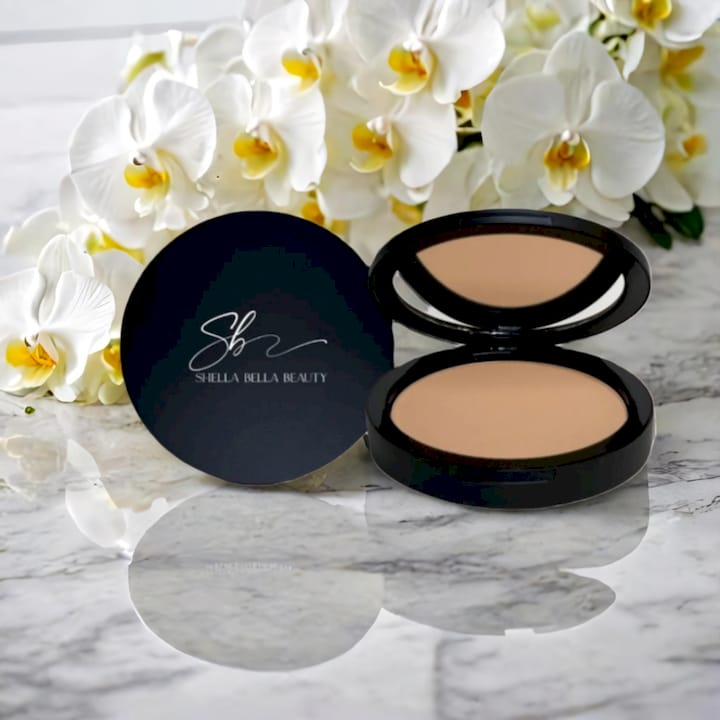
Powders are generally low risk, though heavily fragranced pressed powders and formulas with dense silicone blends can still contribute to congestion for reactive skin.
Sunscreen worn under makeup deserves careful selection. Many sunscreens use occlusive bases that sit heavily on oily skin. A non-comedogenic mineral sunscreen, typically zinc oxide or titanium dioxide, is a sound choice for acne-prone skin and should not be skipped in the name of pore safety.
Primers and facial oils carry the most variability. Use them sparingly, and only continue with a formula you have confirmed agrees with your skin over several weeks. For sensitive skin makeup guidance, Shellabellabeauty’s Glow Chronicles covers compatible ingredient pairings in depth.
What the science and regulators actually say
The FDA has no formal definition for “non-comedogenic,” which means the claim carries no regulatory weight in the United States. Manufacturers self-apply the term, and no required testing protocol exists to validate it.
Clinical literature on comedogenicity, including dermatology reviews on PubMed, confirms that comedone formation is complex and context-dependent. Testing methods vary, ingredient concentrations matter, and individual skin physiology plays a significant role. No single rating system is universally accepted.
| Term | What it means | Best suited for |
|---|---|---|
| Non-comedogenic | Formulated to avoid pore-clogging ingredients; no FDA standard | Acne-prone, oily, combination skin |
| Non-acnegenic | Unlikely to trigger acne-related inflammation; broader claim | Acne-prone and sensitive skin |
| Oil-free | No added oils; may still contain occlusive non-oil ingredients | Oily skin; not a guarantee for acne-prone |
| Water-based | Lightweight, water-first formula | Oily, combination, acne-prone skin |
The practical takeaway from the clinical evidence is to treat comedogenicity ratings as a starting point, not a verdict, and to rely on your own skin’s response over time.
Key Takeaways
Non-comedogenic makeup minimizes pore-clogging risk, but because the FDA sets no standard for the term, reading ingredient lists and patch-testing remain your most reliable tools.
| Point | Details |
|---|---|
| No FDA standard exists | The “non-comedogenic” label is self-applied by manufacturers with no required testing. |
| Avoid these ingredients | Coconut oil, cocoa butter, lanolin, isopropyl myristate, and isopropyl palmitate carry the highest pore risk. |
| Prefer these ingredients | Hyaluronic acid, glycerin, and dimethicone are widely considered non-comedogenic and skin-friendly. |
| Two daily habits matter | Clean your tools weekly and remove makeup fully each night to reduce comedone risk. |
| Shellabellabeauty’s approach | Shellabellabeauty formulates with acne-conscious skin in mind, prioritizing lightweight, ingredient-transparent options. |
The gap between the label and what your skin actually needs
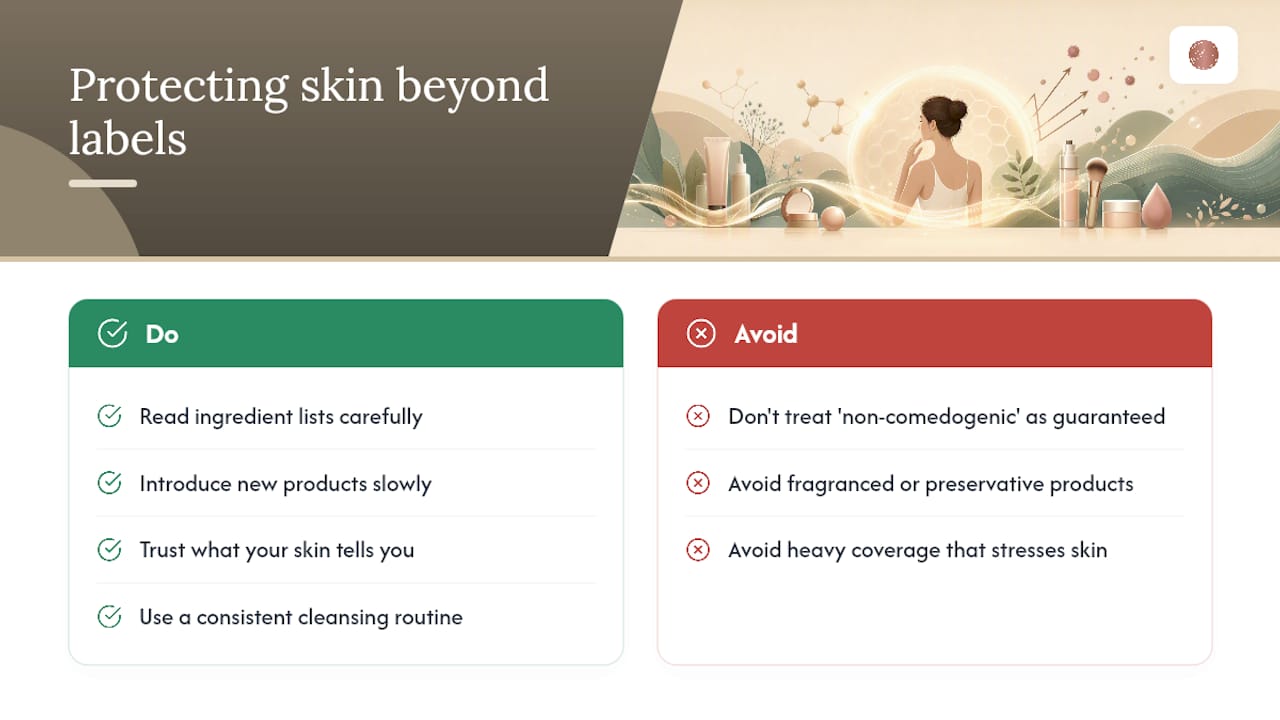
There is a tendency, understandable but worth questioning, to treat “non-comedogenic” as a binary guarantee. It is not. The term describes an intention in formulation, not a certified outcome, and the clinical literature makes clear that skin response is deeply individual. An ingredient that rates a four on a comedogenicity scale may appear in a finished formula at such low concentration that it poses no real risk to your skin. Conversely, a product labeled non-comedogenic can still cause breakouts if your skin reacts to a fragrance, a preservative, or even the mechanical act of heavy coverage.
What actually protects your skin is the habit of reading ingredient lists with care, introducing products slowly, and trusting your skin’s response over any marketing claim. Pair that with a consistent cleansing routine, and you have a far more reliable system than label-scanning alone. For guidance on building a skincare routine that works alongside your makeup choices, the approach is always the same: intention, patience, and attention to what your skin is telling you.
Shellabellabeauty’s acne-conscious beauty selection
Radiant skin and acne-safe makeup are not competing goals. At Shellabellabeauty, every product in our cosmetics and skincare collection is chosen with ingredient transparency and skin harmony in mind, so you can wear beautiful coverage without compromising your skin’s clarity.
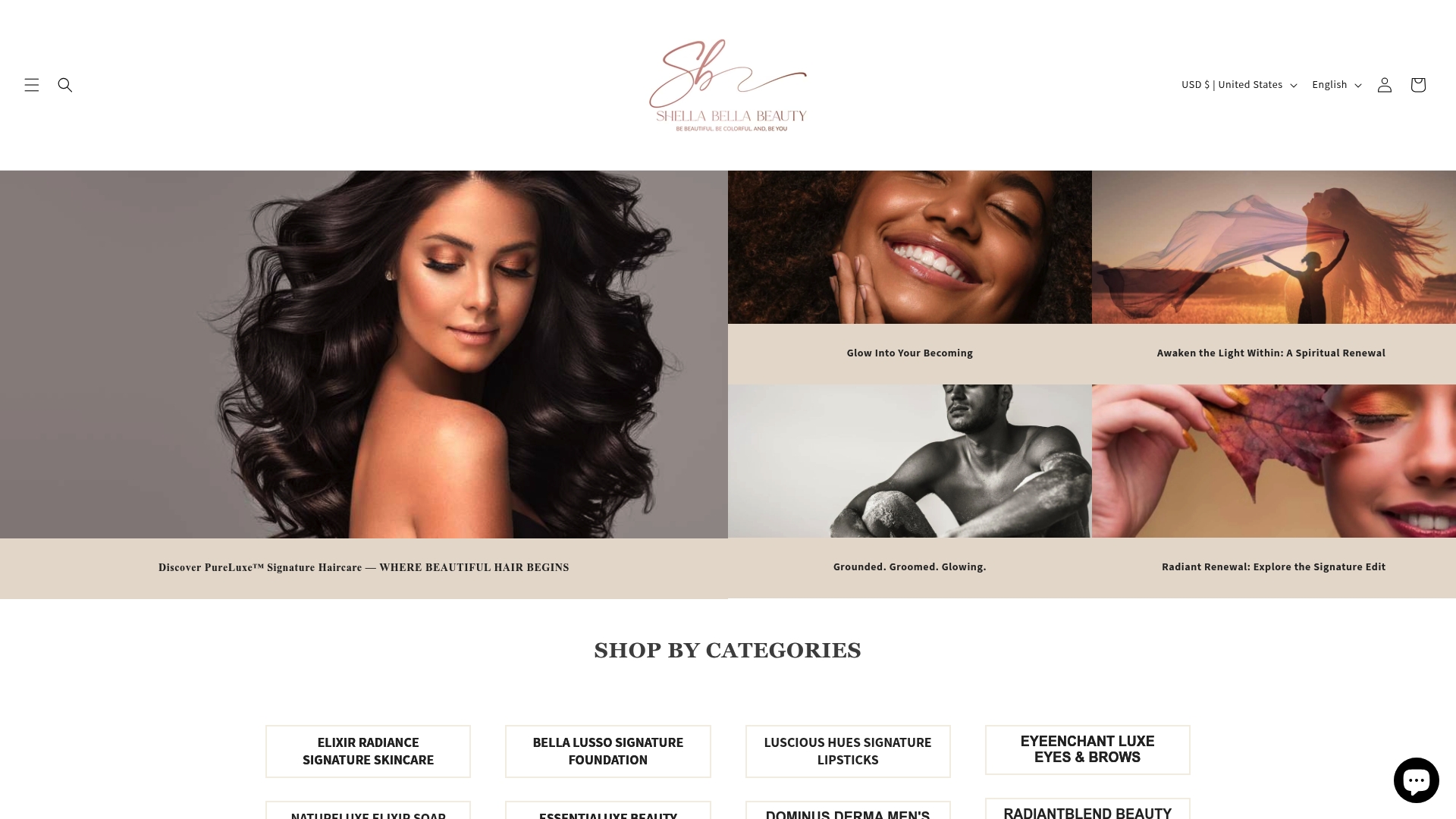
Our lightweight formulas are designed for skin that deserves both performance and care, whether you are managing oiliness, navigating a new skincare regimen, or simply seeking coverage that feels as refined as it looks. Browse the full collection at Shellabellabeauty and find formulas your skin will thank you for.
Useful sources for deeper reading
Vetted references used in this article, and Shellabellabeauty editorial pages for continued guidance:
- Noncomedogenic ingredients and their skin care benefits - Medical News Today
- U.S. Food & Drug Administration (site homepage) - FDA
- What Non-Comedogenic Means in Skin Care Products - Healthline
- What Is Non-Comedogenic? Skin Experts Explain - InStyle
- Comedogenic vs. Non-Comedogenic: Derms Explain the Difference - Byrdie
- Why non-comedogenic makeup is important for preventing acne - Curology
- PubMed entry (related dermatology review) - pubmed.ncbi.nlm.nih.gov
FAQ
Is non-comedogenic makeup good for acne-prone skin?
Yes, with realistic expectations. Non-comedogenic formulas help prevent new comedones from forming, but they do not treat existing acne, which may still require topical actives or prescription care.
What makes a foundation non-comedogenic?
A non-comedogenic foundation avoids high-concentration occlusive ingredients like coconut oil, lanolin, and isopropyl myristate, favoring water-based, mineral, or silicone-light formulas that minimize pore congestion.
Does “oil-free” mean the same thing as non-comedogenic?
No. Oil-free means no added oils, but a formula can still contain other occlusive or pore-clogging ingredients. Always check the full ingredient list rather than relying on either term alone.
How long does it take to know if a makeup product is clogging your pores?
Monitor for one to three weeks after introducing a new product, since comedones can take several weeks to surface after initial exposure.
Recommended
- Makeup for Sensitive Skin: Formulas That Feel as Good as They Look – Shella Bella Beauty™
- What Helps Dehydrated Makeup Look Smooth? – Shella Bella Beauty™
- Best Clean Beauty Makeup Staples for a Refined Routine – Shella Bella Beauty™
- Makeup for Mature Dry Skin That Glows – Shella Bella Beauty™
- Join Glow Chronicles™ — Continue the Glow™ with editor’s picks, seasonal beauty rituals, exclusive skincare insights, and new editions delivered to your inbox.