
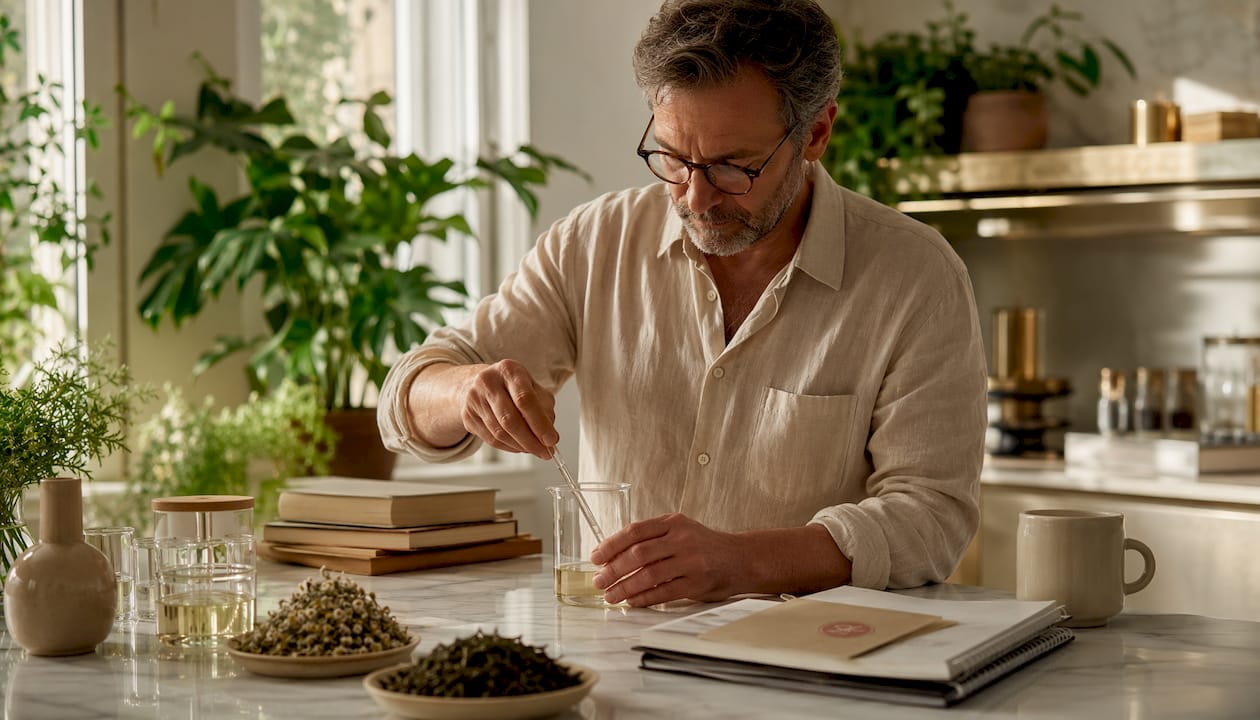
The most widely used examples of botanical extracts in skincare include green tea (Camellia Sinensis Leaf Extract), Centella asiatica (Centella asiatica Extract), licorice root (Glycyrrhiza Glabra Root Extract), soy (Glycine Soja Extract), chamomile (Matricaria Recutita Flower Extract), and aloe vera (Aloe Barbadensis Leaf Juice). Each delivers a distinct primary benefit, from antioxidant protection and soothing repair to brightening and deep hydration. The INCI (International Nomenclature of Cosmetic Ingredients) system names these ingredients in Latin genus-species format on every US label, giving you a reliable way to identify them regardless of how a brand markets the product. The FDA governs cosmetic labeling under the Federal Food, Drug, and Cosmetic Act, which requires INCI-compliant ingredient declaration but does not require pre-market approval for cosmetic botanicals. Before adding any new botanical to your routine or formula, a patch test is your first and most important step.
Quick-reference examples:
- Green tea (Camellia Sinensis Leaf Extract) — antioxidant, photoprotective; rich in EGCG polyphenols
- Centella asiatica (Centella Asiatica Extract) — soothing, barrier-repair; active constituents include asiaticoside and madecassoside
- Licorice root (Glycyrrhiza Glabra Root Extract) — brightening, anti-inflammatory; key compound glabridin inhibits melanin synthesis
- Soy (Glycine Soja Extract) — brightening, anti-aging; isoflavones genistein and daidzein support elasticity and tone
- Chamomile (Matricaria Recutita Flower Extract) — soothing, wound-healing; terpenoids and flavonoids reduce redness
- Aloe vera (Aloe Barbadensis Leaf Juice) — hydrating, calming; polysaccharides form a moisture-retaining film
- Rosehip (Rosa Canina Fruit Oil) — regenerating, brightening; high in linoleic acid and natural carotenoids
- Grape seed (Vitis Vinifera Seed Extract) — antioxidant, firming; oligomeric proanthocyanidins (OPCs) neutralize free radicals
- Pomegranate (Punica Granatum Extract) — antioxidant, anti-aging; ellagic acid and punicalagins support collagen integrity
- Cucumber (Cucumis Sativus Fruit Extract) — cooling, astringent; flavonoids and caffeic acid reduce puffiness
- Lotus germ (Nelumbo Nucifera Germ Extract) — firming, anti-aging; emerging evidence for autophagy activation and collagen stimulation
For label reading, look for the Latin genus-species name followed by the plant part and extract type (e.g., “Leaf Extract,” “Root Extract,” “Seed Oil”). When in doubt, cross-reference with a supplier’s Certificate of Analysis (CofA) and always patch-test before full application.
Table of Contents
- How botanical extracts in skincare are organized by benefit
- How botanical extracts are made and what INCI labels actually tell you
- Safety, allergen cautions, and US regulatory notes for botanical skincare
- Practical formulation tips for working with botanical extracts
- The science behind botanical claims: soy, green tea, and lotus germ
- Key Takeaways
- Why validated botanicals are worth the patience
- Shellabellabeauty’s botanical formulations, grounded in evidence
- Useful sources and further reading
- FAQ
How botanical extracts in skincare are organized by benefit
Understanding which plant-based skincare examples belong in which benefit category helps you read a formula more clearly and choose extracts with intention. The table below maps the most commonly used botanical skincare ingredients to their INCI names, key active constituents, evidence level, and formulation starting points.
| Common Name | INCI Name | Key Actives | Evidence Level | Typical Use Range |
|---|---|---|---|---|
| Green tea | Camellia Sinensis Leaf Extract | EGCG, catechins, polyphenols | Clinical / in vitro | a low to moderate percentage |
| Soy | Glycine Soja Extract | Genistein, daidzein (isoflavones) | Clinical | a low to moderate percentage |
| Centella asiatica | Centella Asiatica Extract | Asiaticoside, madecassoside, asiatic acid | Clinical | a low to moderate percentage |
| Chamomile | Matricaria Recutita Flower Extract | Apigenin, bisabolol, chamazulene | Clinical | a low to moderate percentage |
| Licorice root | Glycyrrhiza Glabra Root Extract | Glabridin, glycyrrhizin | Clinical / in vitro | a low to moderate percentage |
| Aloe vera | Aloe Barbadensis Leaf Juice | Polysaccharides, acemannan | Clinical | a low to moderate percentage |
| Rosehip | Rosa Canina Fruit Oil | Linoleic acid, beta-carotene, vitamin C | In vitro / clinical | a low to moderate percentage (oil phase) |
| Grape seed | Vitis Vinifera Seed Extract | OPCs, resveratrol, flavonoids | In vitro | a low to moderate percentage |
| Pomegranate | Punica Granatum Extract | Ellagic acid, punicalagins, anthocyanins | In vitro | a low to moderate percentage |
| Lotus germ | Nelumbo Nucifera Germ Extract | Flavonoids, alkaloids, polyphenols | In vitro (emerging) | a low to moderate percentage |
| Cucumber | Cucumis Sativus Fruit Extract | Caffeic acid, flavonoids, silica | In vitro | a low to moderate percentage |
| Rice bran | Oryza Sativa Bran Extract | Ferulic acid, gamma-oryzanol, phytosterols | In vitro | a low to moderate percentage |
| Ginseng | Panax Ginseng Root Extract | Ginsenosides, saponins | In vitro / clinical | a low to moderate percentage |
| Seaweed / kelp | Macrocystis Pyrifera Extract | Fucoidan, alginates, iodine | In vitro | a low to moderate percentage |
| Coffeeberry | Coffea Arabica Fruit Extract | Chlorogenic acid, caffeic acid, polyphenols | In vitro | a low to moderate percentage |
| Oat | Avena Sativa Kernel Extract | Beta-glucan, avenanthramides | Clinical | a low to moderate percentage |
Antioxidant extracts
Green tea polyphenols, particularly EGCG, reduce sunburn cell formation and protect immune cells after UV exposure in topical applications, making Camellia Sinensis Leaf Extract one of the most evidence-backed antioxidant botanicals available. Grape seed (Vitis Vinifera Seed Extract) contributes oligomeric proanthocyanidins that neutralize free radicals with particular efficiency in water-in-oil emulsions. Coffeeberry and pomegranate round out this category with chlorogenic acid and ellagic acid respectively, both of which show strong free-radical scavenging activity in cell-based assays. For formulators, these extracts pair naturally with vitamin E (tocopherol) and ferulic acid to create a layered antioxidant defense system.
Soothing and barrier-repair extracts
Centella asiatica and chamomile are the two most trusted soothing botanicals in modern formulation. Chamomile’s terpenoids and flavonoids — especially bisabolol and apigenin — have clinical support for reducing redness and supporting wound healing, which is why you find Matricaria Recutita Flower Extract in so many calming moisturizers and post-procedure serums. Centella asiatica’s triterpenoids (asiaticoside, madecassoside) strengthen the skin’s barrier matrix and are particularly well-suited to sensitive or compromised skin. Oat (Avena Sativa Kernel Extract) deserves mention here too: its beta-glucan and avenanthramides are clinically recognized for reducing itch and inflammation, and the FDA has acknowledged colloidal oatmeal as a skin protectant active ingredient.
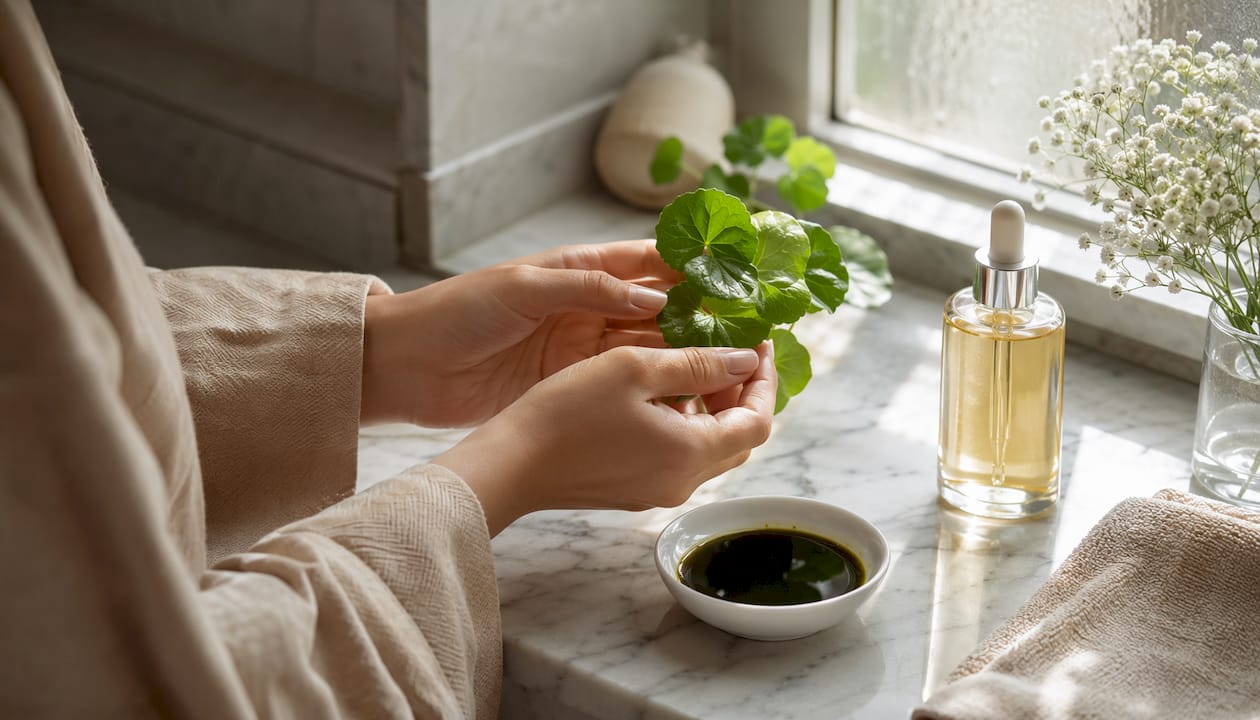
Pro Tip: When formulating for sensitive or reactive skin, Centella asiatica, oat, and chamomile work especially well together. Private-label guidance from experienced formulators consistently recommends pairing these with panthenol or hyaluronic acid for a barrier-focused cream that soothes without overwhelming the skin.
Brightening and tone-evening extracts
Licorice root and soy are the two brightest stars in this category. Glabridin, the primary active in Glycyrrhiza Glabra Root Extract, inhibits tyrosinase — the enzyme responsible for melanin synthesis — without the irritation risk of hydroquinone. Soy isoflavones (genistein and daidzein) address hyperpigmentation through a different pathway, modulating protease-activated receptor-2 (PAR-2) activity to reduce melanin transfer to keratinocytes. Rice bran’s ferulic acid adds a complementary brightening effect while also stabilizing vitamin C in formulations that combine both. Rosehip oil, rich in natural carotenoids and linoleic acid, supports an even tone over time with consistent use.
Hydrating extracts
Aloe vera (Aloe Barbadensis Leaf Juice) is the most universally recognized hydrating botanical, forming a lightweight, moisture-retaining film through its polysaccharide content. Cucumber extract (Cucumis Sativus Fruit Extract) pairs well with aloe in toners and mists, adding a cooling, slightly astringent quality alongside its hydration. Seaweed and kelp extracts contribute alginates and fucoidan, which hold moisture effectively and are increasingly popular in marine-inspired hydrating serums.
Astringent and oil-control extracts
Witch hazel (Hamamelis Virginiana Extract) is the classic choice here, with tannins that tighten pores and reduce sebum appearance. Green tea also functions as a mild astringent at higher concentrations, making it a dual-purpose ingredient in toners designed for combination or oily skin. Cucumber extract, while primarily hydrating, contributes a gentle astringency that suits oily skin types without stripping.
Firming and anti-aging extracts
Ginseng (Panax Ginseng Root Extract) and lotus germ (Nelumbo Nucifera Germ Extract) represent both the established and the emerging ends of this category. Ginsenosides in ginseng support collagen synthesis and microcirculation, lending a subtle luminosity to the skin over time. Lotus germ extract showed laboratory evidence for increasing cellular autophagy, restoring mitochondrial function, and stimulating collagen production in skin-cell studies, positioning it as a compelling candidate for next-generation anti-aging formulas. Pomegranate’s punicalagins also support collagen integrity by inhibiting matrix metalloproteinases (MMPs). For a complete renewal and smoothing ritual, pairing these firming botanicals with peptides amplifies the structural benefit.
How botanical extracts are made and what INCI labels actually tell you
Botanical ingredient utility depends on the plant part used, the solvent chosen, the extraction ratio, and the manufacturing controls applied — which means two products listing the same botanical can deliver very different results. Knowing how to read an INCI label and a supplier datasheet gives you a meaningful advantage, whether you’re formulating or shopping.
Common extraction methods
- Aqueous (water) extracts: The simplest and most common. Water-soluble actives like polysaccharides, glycosides, and some flavonoids are captured. Labeled as “Extract” or “Water” (e.g., Aloe Barbadensis Leaf Juice). Microbial risk is higher; preservative systems are non-negotiable.
- Hydroalcoholic extracts: Water and ethanol together capture a broader range of actives, including some polyphenols and terpenes. Common in toners and serums. Labeled as “Extract” with ethanol or alcohol noted in the carrier.
- Glycerin / propanediol extracts (glycerites): Glycerin or propanediol replaces alcohol as the solvent, yielding a gentler, alcohol-free extract suitable for sensitive-skin formulas. Increasingly popular in clean beauty formulations.
- Oil macerates: Plant material is steeped in a carrier oil (e.g., sunflower, jojoba) to extract fat-soluble compounds like carotenoids and fat-soluble flavonoids. Labeled as “[Plant] Oil” or “[Plant] Seed Oil.” Rosehip and calendula are classic examples.
- Steam-distilled essential oils: Volatile aromatic compounds captured by steam. Labeled as “[Plant] Oil” (e.g., Lavandula Angustifolia Oil). These are highly concentrated and fragrance-active — not the same as a botanical extract.
- Absolutes: Solvent-extracted aromatic concentrates, more complex than essential oils. Used primarily for fragrance; rarely used as functional actives.
- Callus / cell-culture extracts: Plant cells grown in controlled laboratory conditions, yielding consistent, high-purity actives without seasonal variability. Labeled as “[Plant] Callus Extract” (e.g., Camellia Sinensis Callus Extract). Generally more expensive but highly stable.
Reading INCI names with confidence
The INCI system uses Latin genus-species naming to identify botanicals precisely across all markets. Camellia Sinensis Leaf Extract tells you the genus (Camellia), species (sinensis), plant part (leaf), and form (extract). Camellia Sinensis Callus Extract, by contrast, signals a cell-culture-derived ingredient — typically higher in specific actives and more consistent batch to batch, but at a premium cost. The plant part matters enormously: a root extract and a leaf extract from the same species will carry different active profiles.
What to request from a supplier datasheet
- Standardization marker compound and its percentage (e.g., “standardized to 95% EGCG”)
- Solvent or carrier used in extraction
- Extraction ratio (e.g., 10:1 means 10 parts plant material per 1 part extract)
- Certificate of Analysis (CofA) confirming microbial limits and heavy metal testing
- Recommended usage range and pH stability window
- Shelf life and recommended storage conditions
Pro Tip: Standardized extracts — those guaranteed to contain a defined percentage of a specific marker compound — deliver far more predictable formulation outcomes than raw botanical powders. When a supplier cannot provide a standardization marker, treat the extract as a cosmetic aesthetic ingredient rather than a functional active, and adjust your claims accordingly.
Safety, allergen cautions, and US regulatory notes for botanical skincare
Botanicals are not automatically gentle or safe simply because they are plant-derived. Risk depends on the chemistry of the specific extract, its concentration in the finished formula, and the extraction method used. A thoughtful approach to safety is as much a part of good formulation as choosing the right actives.
Common allergenic and irritant botanicals
- Citrus peel extracts (Citrus Aurantium Dulcis Peel Extract, Citrus Limon Peel Extract): contain limonene and linalool, both recognized contact allergens under EU fragrance regulations and worth monitoring in US formulations targeting sensitive skin.
- Essential oils (lavender, tea tree, eucalyptus, peppermint): highly concentrated volatile compounds; even small percentages can trigger contact dermatitis in sensitized individuals.
- Chamomile: while broadly soothing, Matricaria recutita contains sesquiterpene lactones that can cause allergic contact dermatitis in individuals sensitive to the Asteraceae (daisy) family.
- Arnica (Arnica Montana Extract): helenalin content makes it a known sensitizer; generally restricted to rinse-off or very low-concentration leave-on formulas.
- Cinnamon bark and clove extracts: eugenol content makes these high-risk for irritation and sensitization, particularly in leave-on products.
Patch-test protocol for consumers and formulators
Before introducing any new botanical extract into your routine or a new formula, apply a small amount to the inner forearm or behind the ear, leave it undisturbed for 24–48 hours, and observe for redness, itching, or swelling. For formulators testing a new extract system, conduct a repeat insult patch test (RIPT) with a qualified dermatologist or testing laboratory before commercial launch.
US regulatory context
The FDA regulates cosmetics under the Federal Food, Drug, and Cosmetic Act. Cosmetic botanicals do not require pre-market approval, but every ingredient must be declared on the label using its INCI name, listed in descending order of concentration. The critical boundary to understand: if a botanical claim crosses into drug territory — for example, claiming that an extract “treats eczema” or “stimulates hair regrowth” — the product is legally reclassified as a drug and subject to a far more rigorous approval pathway. Claims like “soothes the appearance of redness” or “supports a healthy-looking complexion” remain in cosmetic territory; “reduces inflammation” does not.
For special populations, the guidance is straightforward. Pregnant individuals should avoid high-concentration essential oils and botanicals with known hormonal activity (e.g., high-dose soy isoflavones in leave-on products). Children’s formulas warrant extra conservatism with fragrance-active botanicals. Anyone with a known Asteraceae allergy should approach chamomile, calendula, and arnica with caution. When in doubt, request a full safety assessment from a qualified cosmetic chemist before use.
Practical formulation tips for working with botanical extracts
The most important constraint in botanical formulation is not concentration — it’s compatibility. Solubility, pH sensitivity, color contribution, and microbial vulnerability all shape how a botanical extract behaves in a finished product, and understanding these variables saves considerable reformulation effort.
Solubility and phase placement
- Water-soluble extracts (most aqueous and glycerite extracts): add to the water phase at or below 40°C to preserve heat-sensitive actives. Typical use range: 0.5–10% depending on the extract.
- Oil-soluble extracts and macerates (rosehip oil, calendula macerate, fat-soluble carotenoids): add to the oil phase; incompatible with purely aqueous systems without an emulsifier.
- Hydroalcoholic extracts: add to the water phase after emulsification if alcohol content is low; high-alcohol extracts can destabilize emulsions if added above 5%.
- Essential oils: always add to the oil phase or emulsified base at cool-down (below 40°C); never add to a hot aqueous phase.
Compatibility with common actives
Botanical extracts and synthetic actives can interact in ways that reduce efficacy or accelerate degradation. A few key notes:
- Vitamin C (L-ascorbic acid): pairs well with ferulic acid (rice bran) and green tea polyphenols, which stabilize it. Avoid combining with high-pH botanical extracts, as ascorbic acid requires a pH of 2.5–3.5 to remain stable.
- Retinoids: antioxidant botanicals (green tea, grape seed) can help buffer retinoid-induced oxidative stress, but avoid combining with highly acidic botanical extracts that could further irritate a retinoid-sensitized barrier. A useful ingredient pairing checklist can guide these decisions.
- Niacinamide: generally compatible with most botanical extracts; pairs particularly well with licorice root for a synergistic brightening effect.
- AHAs / BHAs: the low pH required for acid exfoliants can degrade some botanical actives (e.g., anthocyanins in pomegranate); keep acid-forward formulas separate from botanical-rich serums in a routine.
Botanical extracts often perform best in thoughtfully designed synergistic combinations; traditional pairings like ivy and elderflower for eye puffiness, or licorice and niacinamide for tone-evening, reflect decades of formulation experience that modern in vitro work is beginning to validate.
Stability checklist
- Add a chelating agent (disodium EDTA or phytic acid) to water-phase formulas containing polyphenol-rich extracts; metal ions accelerate oxidative degradation.
- Include a broad-spectrum antioxidant co-active (tocopherol, ascorbyl palmitate) in oil-phase formulas with carotenoid-rich botanicals.
- Use opaque or amber packaging for formulas containing light-sensitive actives (green tea, rosehip, pomegranate).
- Expect a shelf life of 12–24 months for most botanical-containing emulsions with a well-chosen preservative system; water-based extracts without adequate preservation can show microbial growth within weeks.
Pro Tip: Choose a broad-spectrum preservative system (e.g., phenoxyethanol with ethylhexylglycerin, or a natural alternative like sodium levulinate with sodium anisate) that is compatible with the pH range of your botanical extracts. Many botanical extracts are mildly acidic; test preservative efficacy at your formula’s actual pH, not at the preservative’s stated optimal pH.
Pro Tip: To minimize color and odor drift over storage, conduct a 12-week accelerated stability study at 40°C/75% relative humidity before finalizing your formula. Polyphenol-rich extracts (green tea, pomegranate) are particularly prone to browning; a small addition of sodium metabisulfite or ascorbic acid can slow this significantly in water-based systems.
The science behind botanical claims: soy, green tea, and lotus germ
Soy extract and green tea are two botanical extracts with substantial scientific literature supporting their skin benefits, and their evidence base illustrates what rigorous validation actually looks like for plant-derived materials.
Soy isoflavones — genistein and daidzein — have been studied in clinical trials for their effects on hyperpigmentation, skin elasticity, oil control, and photoaging. The mechanism is specific: genistein inhibits PAR-2, reducing melanin transfer to keratinocytes, while its antioxidant activity provides a secondary layer of photoprotection. Green tea’s EGCG works differently, reducing sunburn cell formation and protecting Langerhans cells (the skin’s immune sentinels) after UV exposure. When combined with a broad-spectrum sunscreen, topical green tea polyphenols may add a meaningful photoprotective benefit beyond SPF alone.
Lotus germ extract represents the frontier of this field. Laboratory studies found that Nelumbo Nucifera Germ Extract improved markers of cellular autophagy, restored mitochondrial function, and stimulated collagen production in skin-cell models — a combination of mechanisms that positions it as a genuinely novel anti-aging candidate rather than a botanical trend.
The industry’s shift toward rigorous validation of plant-derived materials (PDMs) reflects a broader maturation of cosmetic science. A 2025 MDPI review assessed 50 PDMs and found most had acceptable safety profiles, while calling for stronger in vitro and clinical validation as the standard for cosmetic safety and claims — a signal that “natural” alone is no longer sufficient justification for a marketing claim.
By mid-2025, in vitro assays and human irritation testing had become practical standards for demonstrating safety and efficacy before marketing plant-derived materials. For formulators and brand managers, this means supplier clinical claims deserve scrutiny: look for an adequate sample size, clearly defined endpoints, and independent replication before building a product story around a single in-house study.
Pro Tip: When evaluating a supplier’s clinical data, ask three questions: How many subjects were enrolled? Were the endpoints objective (e.g., colorimetry, elasticity measurement) or self-reported? Has the study been replicated by an independent laboratory? A well-designed 30-subject split-face study with objective endpoints carries far more weight than a 10-person consumer perception survey.
Key Takeaways
Botanical extracts deliver reliable skin benefits only when chosen by active constituent, validated by evidence, and formulated with attention to solubility, stability, and safety.
| Point | Details |
|---|---|
| Match extract to benefit | Choose by active constituent (e.g., EGCG for antioxidant protection, glabridin for brightening) rather than by botanical name alone. |
| Read the INCI label | The Latin genus-species-plant part format reveals the extract type and helps you distinguish a leaf extract from a callus culture extract. |
| Prioritize standardized extracts | Standardized extracts with a defined marker compound deliver consistent, predictable results across batches. |
| Patch-test before full use | Apply to the inner forearm for 24–48 hours before introducing any new botanical extract into your routine or formula. |
| Shellabellabeauty products | Shellabellabeauty’s Opuliss™ Infusion Toning Elixir, Aurora Luxe™ Renewal Facial Oil, and RevivaLift™ Peptide Infusion each incorporate validated botanical extracts with transparent ingredient sourcing. |
Why validated botanicals are worth the patience
There is a tendency in the beauty world to treat “botanical” as a synonym for “gentle” and “natural” as a synonym for “safe.” Neither equation holds. Some of the most potent contact allergens in cosmetics are plant-derived. Some of the most effective actives in modern skincare are synthetic. The distinction that actually matters is whether an ingredient — botanical or otherwise — has been validated for its intended purpose at the concentration it is used.
What I find genuinely encouraging about the current moment in skincare science is the industry’s growing willingness to apply the same rigor to plant-derived materials that it has long applied to peptides and retinoids. The MDPI review of 50 PDMs, the Nature-covered lotus germ research, the decades of clinical work on soy and green tea — these represent a body of evidence that gives formulators and consumers a real foundation for confidence, rather than marketing language dressed in Latin.
At Shellabellabeauty, the approach to botanical selection begins with that evidence. The Glow Chronicles educational content exists precisely to close the gap between what a label says and what a formula actually does — because an informed reader makes better choices for their skin, and better choices lead to the kind of consistent, patient care that radiance genuinely requires.
Shellabellabeauty’s botanical formulations, grounded in evidence
Every guide on botanical extracts is only as useful as the products it connects you to. Shellabellabeauty’s formulations are built on the same principles this article outlines: standardized extracts, transparent INCI labeling, and a preference for ingredients with clinical or in vitro support.
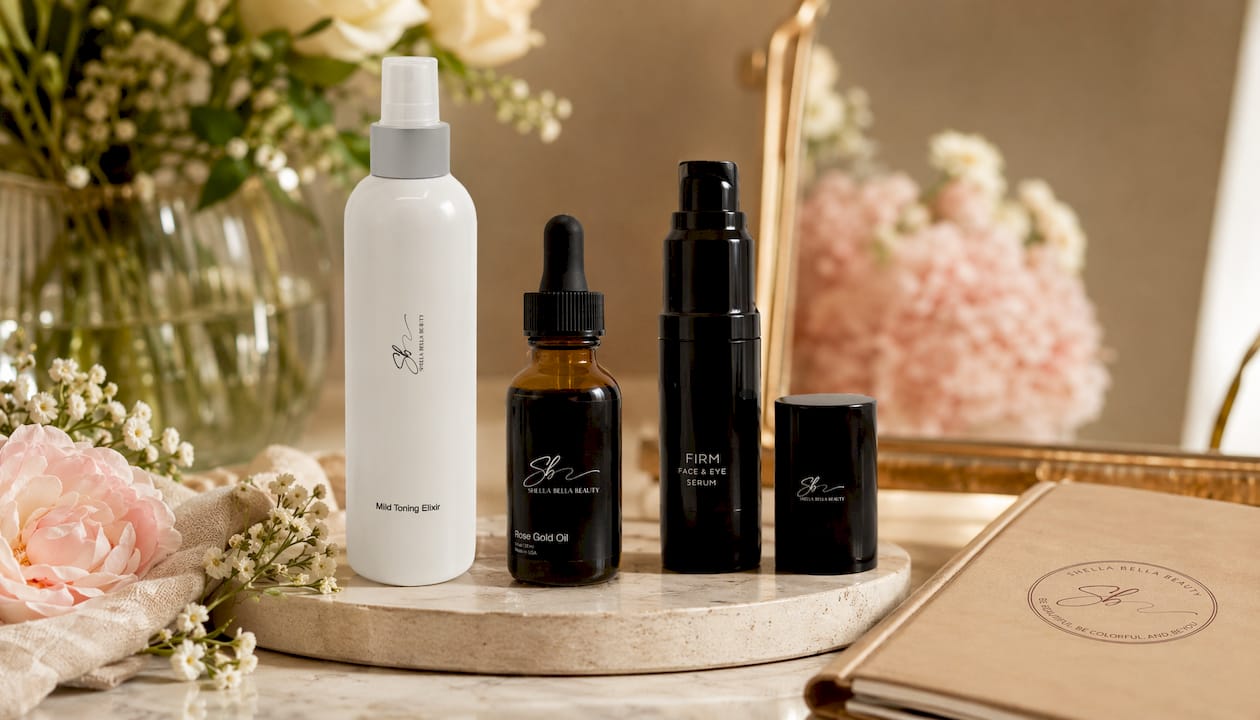
The Opuliss™ Infusion Toning Elixir features a toning botanical complex that draws on the astringent and antioxidant properties discussed throughout this guide, delivering a refined, pore-refining experience that prepares skin to receive the actives that follow. The Aurora Luxe™ Renewal Facial Oil showcases oil-soluble botanical extracts — the kind that belong in the oil phase and carry fat-soluble carotenoids and linoleic-acid-rich macerates to support skin renewal with a luminous, silky finish. For those focused on the firming and anti-aging category, the RevivaLift™ Peptide Infusion pairs botanical actives with peptides in a formula designed for the kind of structural support that lotus germ and ginseng research points toward.
All three products are formulated with supplier transparency and third-party quality standards as a baseline. If you’d like to see the full ingredient details for any of these, the product pages carry complete INCI declarations so you can verify exactly what you’re applying to your skin.
Useful sources and further reading
The sources below support the claims made throughout this article. Each is annotated with the type of claim it backs.
| Source | Type of Claim Supported | Link |
|---|---|---|
| PMC — Practical Uses of Botanicals in Skin Care | Clinical evidence for soy, green tea, chamomile; INCI and formulation guidance | View source |
| MDPI — Safety Validation of Plant-Derived Materials | Safety validation standards; PDM evidence review; regulatory context | View source |
| Nature — Exploring Plant Extracts for Improved Skincare | Lotus germ extract; emerging anti-aging botanical research | View source |
| CosmeticsInfo — Botanical Ingredients | INCI naming; extraction method variability; standardization guidance | View source |
| BeyondBasix — Plant Extracts Skincare Buyer Guide | Private-label formulation guidance; sensitive-skin extract combinations | View source |
| RevivalABS — Botanical Extracts for Eye-Area Issues | Synergistic botanical combinations; traditional pairings in modern formulas | View source |
Additional reading for formulators and informed consumers:
- Shellabellabeauty’s Glow Chronicles ingredient guides offer accessible explanations of how botanical actives fit within broader skincare formulation categories.
- The clean beauty ingredient explainer addresses sourcing language and marketing claims relevant to botanical products.
- For regimen placement, the multi-step skincare ritual guide shows where botanical serums, toners, and oils typically sit within a complete routine.
- The Nuka Love Thrive & Shine bundle is a useful example of how extract combinations are positioned in regimen-based product marketing.
FAQ
What is a botanical extract in skincare?
A botanical extract is a concentrated preparation of active compounds drawn from a plant source — root, leaf, seed, or flower — using a solvent such as water, alcohol, glycerin, or oil. On US cosmetic labels, botanical extracts appear under their INCI Latin genus-species names (e.g., Camellia Sinensis Leaf Extract for green tea).
What are some examples of botanical extracts used in skincare products?
Widely used examples include green tea (Camellia Sinensis Leaf Extract) for antioxidant protection, Centella asiatica for barrier repair, licorice root (Glycyrrhiza Glabra Root Extract) for brightening, soy (Glycine Soja Extract) for tone-evening and elasticity, chamomile for soothing, and aloe vera for hydration.
What are the main skin benefits of botanical extracts?
Botanical extracts deliver benefits across several categories: antioxidant protection (green tea, grape seed), soothing and barrier repair (Centella asiatica, oat, chamomile), brightening (licorice root, soy), hydration (aloe vera, seaweed), astringency (witch hazel, cucumber), and firming (ginseng, lotus germ).
How do you read botanical extract names on a skincare label?
Look for the Latin genus-species format followed by the plant part and extract type — for example, Punica Granatum Extract (pomegranate) or Rosa Canina Fruit Oil (rosehip). The plant part (leaf, root, seed, fruit) and the form (extract, oil, callus extract) indicate both the active profile and the extraction method used.
Are botanical extracts in skincare safe for sensitive skin?
Most well-formulated botanical extracts are suitable for sensitive skin, but some — including citrus peel extracts, essential oils, and chamomile in individuals with Asteraceae allergies — can cause contact sensitization. A 24–48 hour patch test on the inner forearm is the recommended first step before full application, and a sensitive skincare routine built around low-risk botanicals like Centella asiatica, oat, and aloe vera is a sound starting point.
Recommended
- Types of Skincare Active Ingredients: Your 2026 Guide – Shella Bella Beauty™
- Prebiotics in Skincare Explained: Science and Benefits – Shella Bella Beauty™
- What Is Probiotic Skincare? Your 2026 Science Guide – Shella Bella Beauty™
- The Role of Antioxidants in Skincare Explained – Shella Bella Beauty™
- Join Glow Chronicles™ — Continue the Glow™ with editor’s picks, seasonal beauty rituals, exclusive skincare insights, and new editions delivered to your inbox.