
Wellness is the active, intentional pursuit of choices, habits, and lifestyles that support your fullest physical, mental, and social functioning — not simply the absence of illness, but a living, breathing commitment to how you inhabit your life. As the Global Wellness Institute frames it, wellness is a holistic, self-directed process that unfolds across every dimension of your existence. This guide covers:
- The precise definition of wellness and how it differs from health and wellbeing
- The eight core dimensions of the multidimensional model
- The wellness continuum and how to assess where you stand
- Practical, dimension-specific strategies for 30, 60, and 90 days
- When and how to partner with clinicians safely
- How the multidimensional model applies to skincare and beauty rituals
Key Takeaways
Wellness is an active, multidimensional pursuit — not a destination — and the most durable progress comes from addressing one dimension at a time with consistent, evidence-grounded habits.
| Point | Details |
|---|---|
| Wellness is active, not passive | The Global Wellness Institute defines wellness as an intentional pursuit of choices that lead to holistic health, distinct from merely treating illness. |
| Eight dimensions are interconnected | Physical, emotional, social, intellectual, spiritual, occupational, environmental, and financial wellness each influence the others. |
| Start with the weakest dimension | Prioritizing the dimension that needs the most support creates a positive ripple effect across the other seven. |
| Track simple, sourced metrics | Adults need 7–9 hours of sleep and regular moderate aerobic activity per week as foundational physical wellness targets. |
| Shellabellabeauty applies wellness to skin | The Glow Chronicles series connects multidimensional wellness habits — sleep, hydration, stress reduction — directly to skincare rituals and visible skin health. |
Table of Contents
- What does wellness really mean, and how is it different from health?
- How the eight dimensions of wellness work together
- Where are you on the wellness continuum, and how do you measure progress?
- How to improve wellness: practical habits for every dimension
- When should you bring a clinician into your wellness plan?
- How the multidimensional wellness model applies to your skin and beauty rituals
- Why wellness is more than a lifestyle trend
- Shellabellabeauty: where wellness meets radiant skin
- Sources
- FAQ
What does wellness really mean, and how is it different from health?
The word “wellness” entered modern clinical conversation largely through the work of physician Halbert Dunn, who in the 1950s described “high-level wellness” as an integrated method of functioning oriented toward maximizing potential. Bill Hettler of the National Wellness Institute later formalized a multidimensional model in the 1970s, and older traditions — Ayurveda, Traditional Chinese Medicine, Indigenous healing practices — had long held that the body, mind, and spirit are inseparable. What looks like a contemporary trend is, in many ways, a return to something older and wiser.
The Global Wellness Institute draws a clear line between wellness and health: health is often reactive, addressed when something goes wrong, while wellness is proactive and preventive. Wellbeing, meanwhile, is the broader subjective experience of life satisfaction and meaning. All three concepts overlap, but they are not interchangeable.
| Dimension | Wellness | Health | Wellbeing |
|---|---|---|---|
| Orientation | Active, intentional pursuit | Often reactive to symptoms | Subjective life satisfaction |
| Scope | Multidimensional (body, mind, spirit, environment) | Primarily clinical and biomedical | Psychological and existential |
| Typical goal | Optimal functioning and vitality | Disease prevention or treatment | Meaning, happiness, flourishing |
Cultural context shapes how wellness is expressed and prioritized. The National Wellness Network notes that wellness programs and practices are meaningfully influenced by culture, diversity, and lived experience — which is why a wellness path that resonates for one person may need thoughtful adaptation for another.
Pro Tip: Reframe your clinical appointments as one layer of a larger wellness practice, not the whole of it. Your annual physical checks for disease; your daily habits build the conditions that make disease less likely. Both are necessary, and neither replaces the other.
How the eight dimensions of wellness work together
Wellness is not a single dial you turn up. According to UC Davis Student Health and Counseling Services, the model most widely used in campus health programs, clinical settings, and workplace wellbeing initiatives organizes wellness into eight interconnected dimensions. Neglecting one tends to create friction in the others; strengthening one often creates a quiet ripple of improvement across the rest.
Physical wellness
Physical wellness is the foundation most people recognize first: nourishing your body with movement, sleep, and nutrition. Signs of balance include consistent energy through the day, restful sleep, and a body that feels capable. Signs of imbalance include persistent fatigue, frequent illness, or chronic pain you have learned to ignore. A realistic example: someone who adds a 20-minute walk at lunch notices better sleep within two weeks — not because of dramatic fitness gains, but because movement regulates the body’s stress and rest cycles.
Emotional wellness
Emotional wellness means recognizing, accepting, and working through your feelings rather than suppressing or being overwhelmed by them. Balance looks like the ability to sit with discomfort without catastrophizing; imbalance often shows up as persistent irritability, emotional numbness, or a sense that feelings are running the show. Therapy, journaling, and mindfulness practice are all practical entry points.
Social wellness
Meaningful connection to others — family, friends, community, colleagues — forms the social dimension. Strong social wellness means relationships feel reciprocal and nourishing; weak social wellness often manifests as isolation, chronic loneliness, or relationships that consistently drain rather than restore. The NIH social wellness toolkit highlights that social connection is a recognized determinant of health outcomes, not merely a comfort.
Intellectual wellness
Intellectual wellness is the ongoing engagement of your curiosity: learning, creating, problem-solving, and staying open to new ideas. Someone who reads widely, takes a class, or pursues a craft outside their professional role tends to score well here. Stagnation, mental boredom, or a sense that you are on autopilot are early signals that this dimension needs attention.
Spiritual wellness
Spiritual wellness does not require religious affiliation. It refers to a sense of meaning, purpose, and alignment between your values and your daily choices. Balance looks like a felt sense of direction; imbalance often surfaces as existential restlessness or the nagging feeling that something important is missing, even when circumstances look fine on paper.
Occupational wellness
Your relationship with work — paid or unpaid — shapes this dimension. Occupational wellness is present when your work feels purposeful, your skills are engaged, and boundaries between work and rest are honored. Burnout, chronic resentment toward your role, or the inability to disengage from work after hours are reliable signs of imbalance.
Environmental wellness
The spaces you inhabit affect your nervous system, your sleep, and your mood. Environmental wellness includes both your immediate surroundings (a cluttered, noisy home versus a calm, organized one) and your relationship to the natural world. The NIH environmental wellness toolkit offers practical guidance on reducing environmental stressors and building spaces that support recovery and focus.
Financial wellness
Financial wellness is not about wealth; it is about a sense of security and agency over your resources. Knowing your expenses, having a modest emergency buffer, and feeling that your financial choices align with your values are its hallmarks. Chronic financial anxiety is one of the most underacknowledged sources of stress-related physical symptoms.
Practitioners at UC Davis note that you do not need to allocate equal time to all eight dimensions. Prioritizing the dimension that currently needs the most support tends to create a positive ripple effect that benefits the others — a far more sustainable approach than trying to optimize everything at once.
Where are you on the wellness continuum, and how do you measure progress?
Wellness exists on a continuum. At one end sits reactive illness management: addressing symptoms after they appear, relying on clinical intervention, and returning to baseline. At the other end sits proactive optimization: building habits that sustain vitality, prevent decline, and support flourishing. Most people move back and forth along this spectrum across different life seasons, and that is entirely normal.
Holistic health care, as Emory Healthcare describes it, pairs conventional diagnosis and treatment with lifestyle recommendations — sleep, diet, stress reduction — so that medical care and wellness practices work in concert rather than in competition.
Quick self-assessment: rate yourself 1–10
Score each dimension from 1 (significant struggle) to 10 (thriving). A score of 7 or above suggests reasonable balance; 4 or below signals a dimension worth prioritizing this month.
- Physical: How consistently do you sleep, move, and nourish your body?
- Emotional: How well do you recognize and process your feelings?
- Social: How nourishing and reciprocal are your key relationships?
- Intellectual: How engaged is your curiosity and creativity?
- Spiritual: How aligned do your daily choices feel with your deeper values?
- Occupational: How purposeful and boundaried is your relationship with work?
- Environmental: How restorative are the spaces you spend the most time in?
- Financial: How secure and intentional do you feel about your resources?
Add your scores. A total of 56–80 suggests broad balance with room to refine. A total of 40–55 points to two or three dimensions that deserve focused attention. Below 40 warrants a conversation with a clinician or counselor, particularly if emotional, physical, or financial dimensions are scoring very low.
Trackable wellness metrics
Safety note: If your self-assessment reveals new severe symptoms, sudden functional decline, thoughts of self-harm, or an uncontrolled chronic condition, contact a clinician before adjusting your wellness practices. Self-assessment is a starting point, not a diagnostic tool.
How to improve wellness: practical habits for every dimension
Knowing the dimensions is one thing; building habits that address them is another. The strategies below are organized by dimension and scaled across a 30/60/90-day arc so the changes feel measured rather than overwhelming.
30-day foundation (weeks 1–4)
- Physical: Add 20–30 minutes of walking five days per week and set a consistent sleep and wake time.
- Emotional: Spend five minutes each evening writing down one thing that went well and one feeling you noticed during the day.
- Social: Schedule one intentional connection per week — a phone call, a shared meal, a walk with someone whose company restores you.
- Financial: Review your last 30 days of spending and identify one category where your choices do not reflect your values.
60-day expansion (weeks 5–8)
- Intellectual: Begin one learning practice — a book, a podcast series, an online course — and protect 20 minutes for it three times per week.
- Spiritual: Identify one value that feels underexpressed in your daily life and choose one small act per day that honors it.
- Occupational: Set one clear boundary around work hours and communicate it to at least one person in your professional circle.
90-day refinement (weeks 9–12)
- Environmental: Audit your primary living or working space for one stressor you can reduce — excessive noise, poor lighting, clutter in a high-traffic area — and address it.
- Integration: Revisit your 1–10 self-assessment scores from day one. Note which dimensions improved and which still need attention, then carry the highest-priority dimension into the next quarter.
Pro Tip: Stack new wellness habits onto existing anchors. If you already make coffee each morning, pair that ritual with five minutes of slow breathing or a brief body-scan. Habit stacking reduces the friction of starting and makes consistency far more likely than willpower alone.
Mind-body practices such as mindfulness and meditation carry evidence for reducing stress and may improve some physical symptoms when used alongside clinical care. They are low-risk, require no equipment, and can be integrated into almost any schedule.
Pro Tip: Progress in wellness is rarely linear. Track direction, not perfection. A week of disrupted sleep during a stressful period does not erase months of good habits — what matters is returning to your baseline practices with patience rather than self-criticism.
When should you bring a clinician into your wellness plan?
Wellness practices are most powerful when they complement, rather than substitute for, professional medical care. WebMD’s guidance on holistic medicine frames integrative approaches — nutrition, movement, stress management, and mindfulness — as complementary to conventional diagnosis and treatment, and cautions against unproven treatments that promise to replace standard care.
Red flags: when to contact a clinician first
- New or worsening physical symptoms (chest pain, unexplained weight loss, persistent fatigue)
- Thoughts of self-harm or suicide — contact the 988 Suicide and Crisis Lifeline immediately
- Sudden decline in daily functioning (sleep, appetite, ability to work or care for yourself)
- A chronic condition (diabetes, hypertension, depression) that feels uncontrolled
- Significant emotional distress lasting more than two weeks without improvement
Trusted provider types and what they address
- Primary care physician: Baseline health screening, medication management, referrals, and coordination of your overall care.
- Mental health professional (therapist, psychologist, psychiatrist): Emotional wellness, anxiety, depression, trauma, and behavioral change.
- Registered dietitian: Evidence-based nutrition guidance tailored to your health history and goals.
- Physical therapist: Movement, injury recovery, pain management, and building sustainable physical activity habits.
- Integrative or holistic medicine practitioner: Whole-person care that pairs lifestyle counseling with conventional treatment, as described by Emory Healthcare.
Bringing your wellness plan to an appointment
Before your visit, note your self-assessment scores, your current habits, any supplements or practices you are using, and the specific questions you want answered. Ask your provider: “Are there any wellness practices that would conflict with my current treatment?” and “What metrics should I be tracking between visits?” Clinicians respond well to patients who arrive with organized, specific information rather than vague concerns.
This article provides general wellness information and is not a substitute for professional medical, mental health, or financial advice. Confirm any significant changes to your health practices with a qualified clinician.
How the multidimensional wellness model applies to your skin and beauty rituals
Skin is one of the most responsive vessels for your internal state. Chronic stress, poor sleep, nutritional gaps, and emotional dysregulation all surface on the skin — sometimes before they surface anywhere else. Applying the multidimensional wellness model to your beauty practice means treating skincare not as a cosmetic afterthought but as a daily act of self-care that honors the whole person.
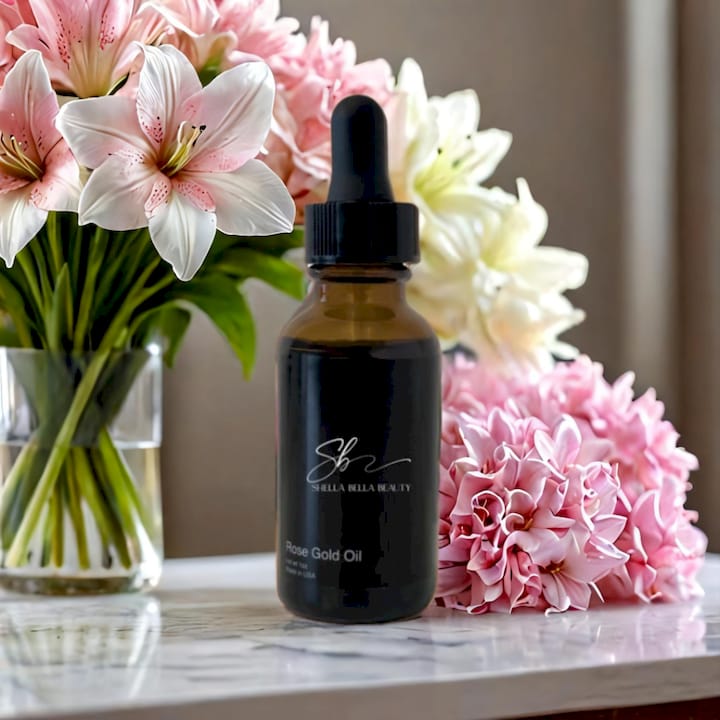
At Shellabellabeauty, the Glow Chronicles editorial series is built on exactly this philosophy: that radiance is not manufactured but returned to, through consistent, intentional care. The holistic beauty approach explored in Glow Chronicles connects the physical, emotional, and environmental dimensions of wellness directly to the skin’s behavior and needs.
A morning and evening ritual template
Morning (10–15 minutes):
- Hydrate with a full glass of water before coffee or tea — skin hydration begins from within.
- Gentle cleanser suited to your skin type, followed by a vitamin C serum or antioxidant-rich treatment to address environmental stressors.
- Broad-spectrum SPF 30 or higher, applied as the final step before leaving the house.
- Two minutes of slow, intentional breathing while your serum absorbs — a small mindfulness practice woven into an existing ritual.
Evening (10–15 minutes):
- Double cleanse if you wear SPF or makeup: an oil-based cleanser first, then a gentle water-based one.
- A nourishing serum or facial oil with ingredients like niacinamide (for barrier support and tone), hyaluronic acid (for hydration), or retinol (for cellular renewal, introduced gradually).
- A cushioned moisturizer to seal in hydration and support overnight repair.
- Set your phone aside 30 minutes before sleep — blue light disrupts melatonin production, and the skin’s repair processes are most active during deep sleep.
Key ingredients worth understanding:
- Niacinamide: Supports the skin barrier, reduces redness, and helps regulate sebum.
- Hyaluronic acid: Draws moisture into the skin; most effective when applied to slightly damp skin.
- Retinol: Promotes cellular turnover; begin with a low concentration two nights per week and increase gradually.
For readers building or refining their routine, the Glow Chronicles skincare routine guide offers step-by-step guidance tailored to different skin types and lifestyles. The wellness rituals for glowing skin series connects daily habits — hydration, sleep, stress reduction — directly to visible skin outcomes.
Pro Tip: Slow down your skincare application deliberately. Massaging a serum into your skin with gentle, upward strokes for 60 seconds is not just good for absorption — it activates the parasympathetic nervous system, lowering cortisol in a small but measurable way. Ritual and results are not separate things.
Why wellness is more than a lifestyle trend
There is a version of wellness that has been packaged, priced, and sold back to people as a luxury — a $40 adaptogen latte, a retreat that costs more than a month’s rent, a supplement stack with no clinical backing. That version deserves skepticism. But the skepticism should be aimed at the packaging, not the premise.
The evidence for the core practices is genuinely solid. Regular movement, adequate sleep, meaningful social connection, a sense of purpose, and a physical environment that supports rest — these are not just aspirational extras. They are the conditions under which human beings function well, and the research behind them spans decades of public health literature and clinical observation.
What the wellness industry sometimes obscures is that most of the most effective practices cost very little. A 20-minute walk. A consistent bedtime. One honest conversation with someone you trust. The MedlinePlus wellness and lifestyle resources curated by the National Library of Medicine point consistently toward these unglamorous, repeatable behaviors as the foundation of lasting wellbeing.
The dimension that tends to be most underestimated is financial wellness — not because money buys health, but because financial anxiety is a chronic, low-grade stressor that undermines sleep, erodes relationships, and makes every other wellness practice harder to sustain. Addressing it, even incrementally, tends to have an outsized effect on the other seven dimensions.
My honest counsel: choose one dimension that is genuinely struggling right now, and give it your attention for 30 days before adding anything else. Wellness built on a single strong foundation is more durable than wellness spread thin across eight dimensions simultaneously. This week, try a 10-minute evening wind-down: no screens, a few minutes of slow breathing, and a moment of quiet before sleep. It is a small act, and it is enough to begin.
Shellabellabeauty: where wellness meets radiant skin
Radiance is not a product you apply — it is a condition you cultivate, and Shellabellabeauty was built on that belief. For readers who have spent time understanding the multidimensional nature of wellness, the Glow Chronicles library offers something rare: educational content that connects the science of holistic health directly to the art of caring for your skin, without shortcuts or empty promises.

Shellabellabeauty’s premium skincare, haircare, and wellness products are formulated for people who understand that what goes on their skin matters as much as what goes into their body. The Glow Chronicles series — covering ingredient science, ritual design, and skin-specific wellness habits — is the educational companion to every product, so you are never left guessing why a formulation works or how to use it well. Whether you are building your first intentional routine or refining one you have practiced for years, the Glow Chronicles mindful beauty rituals guide is a natural next step. Visit Shellabellabeauty to explore the full collection and find the formulations that align with your skin’s needs and your wellness intentions.
Sources
- What is Wellness? - Global Wellness Institute
- Student Health and Counseling Services - Eight Dimensions of Wellness
- Wellness and Lifestyle - MedlinePlus
- Holistic Health: Promoting Wellness in Body, Mind and Spirit - Emory Healthcare
- Holistic Medicine: A Comprehensive Guide - WebMD
FAQ
What is the definition of good wellness?
Good wellness, as defined by the Global Wellness Institute, is the active pursuit of choices, habits, and lifestyles that lead to a state of holistic health across multiple dimensions of life — physical, emotional, social, intellectual, spiritual, occupational, environmental, and financial. It is a proactive, ongoing process rather than a fixed state to achieve.
How many dimensions does the wellness model include?
The most widely used model, adopted by university health services and clinical programs, includes eight dimensions: physical, emotional, social, intellectual, spiritual, occupational, environmental, and financial. These dimensions are interconnected, and strengthening one tends to support the others.
What is the difference between wellness and health?
Health is often addressed reactively, in response to symptoms or disease, while wellness is an intentional, preventive orientation toward optimal functioning. Wellbeing is the broader subjective experience of life satisfaction and meaning — all three concepts overlap but serve distinct purposes.
How can you start improving your wellness today?
The most sustainable starting point is to identify the one dimension currently scoring lowest in your self-assessment and commit to one small, consistent habit for 30 days — such as a 20-minute daily walk for physical wellness or a five-minute evening journaling practice for emotional wellness. Shellabellabeauty’s Glow Chronicles series offers practical guidance for integrating wellness habits into daily skincare rituals as well.
When should wellness practices be combined with medical care?
Wellness practices are most effective as a complement to conventional medical care, not a replacement. If you experience new severe symptoms, sudden functional decline, or persistent emotional distress lasting more than two weeks, contact a clinician before adjusting your wellness routine.
Recommended
- Holistic Beauty: What It Means and Why It Works – Shella Bella Beauty™
- Wellness Rituals for Glowing Skin: Your Daily Guide – Shella Bella Beauty™
- Benefits of Mindful Beauty Rituals for True Well-Being – Shella Bella Beauty™
- Learn a Holistic Beauty Routine Guide for Radiance – Shella Bella Beauty™
- Join Glow Chronicles™ — Continue the Glow™ with editor’s picks, seasonal beauty rituals, exclusive skincare insights, and new editions delivered to your inbox.