
A face mask is a concentrated skincare treatment used to deliver targeted active ingredients, such as hyaluronic acid for hydration, AHAs for exfoliation, salicylic acid for clarity, or calming botanicals for inflamed skin, directly to the skin’s surface in a single, intentional session. The American Academy of Dermatology describes masks as a way to increase contact time and ingredient absorption, making them one of the most efficient delivery formats in a skincare routine.
The primary uses of a facial mask include:
- Hydration: replenishing moisture and reinforcing the skin barrier
- Deep cleansing: drawing out impurities and excess oil from pores
- Exfoliation: refining texture by loosening dead skin cells
- Calming and soothing: reducing redness and inflammation
- Brightening: restoring a luminous, even-toned appearance
Masks supplement, but do not replace, daily cleansing, moisturizing, and sun protection. Think of them as a concentrated boost, not a substitute for the foundation of your routine.
Table of Contents
- What face masks actually do for your skin
- Which mask format fits your skin type and concern?
- How to apply a face mask for the best results
- Matching mask ingredients to your specific skin concerns
- Safety, patch testing, and when to skip a mask entirely
- What dermatologists say about the real value of face masks
- Mask recommendations by skin type and age
- Common myths about face masks, corrected
- Key Takeaways
- The ritual behind the result
- Shellabellabeauty’s approach to the mask ritual
- Useful sources and further reading
- FAQ
What face masks actually do for your skin
The defining advantage of a facial mask lies in its mechanism: it creates an occlusive barrier over the skin, which forces active ingredients to penetrate the surface rather than evaporating into the air the way a serum or lotion might. Cleveland Clinic explains that this extended contact time is what separates masks from other topical products, giving ingredients a longer window to work.
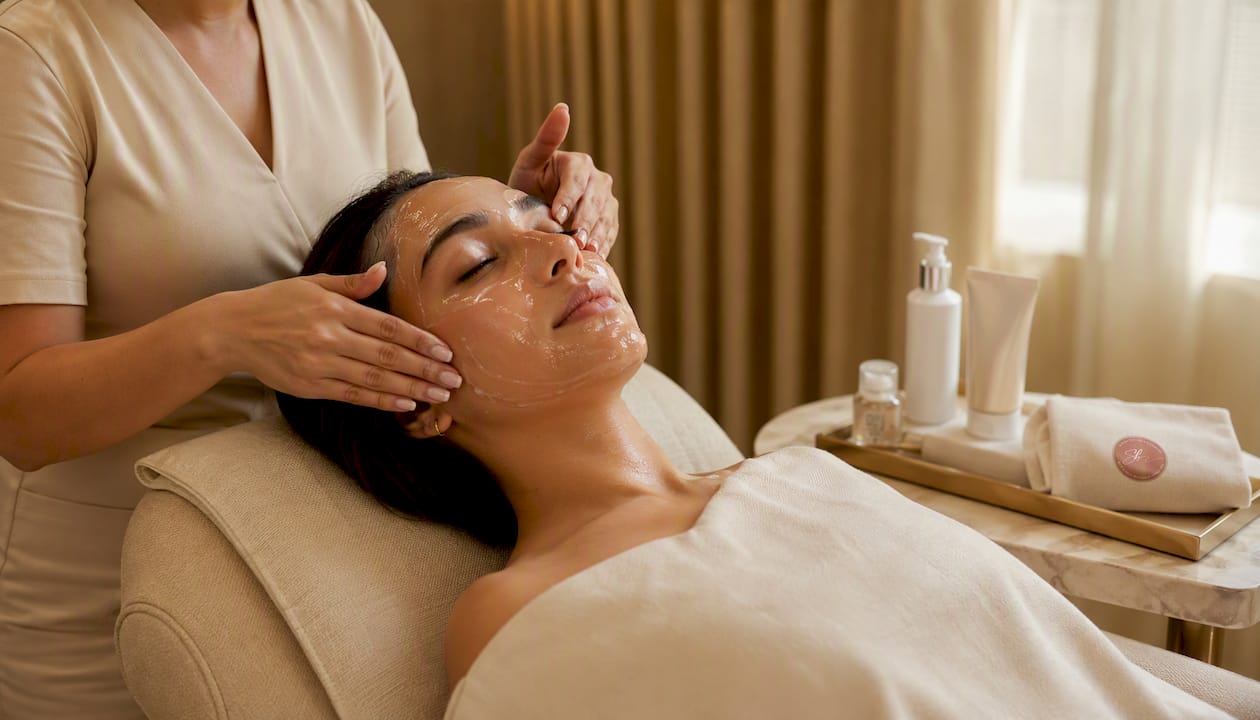
Each benefit category has a distinct physiological basis worth understanding.
Hydration and barrier support. Humectant-rich masks, particularly those built around hyaluronic acid or glycerin, draw water into the upper layers of skin and hold it there. Ceramide-infused formulas go a step further, reinforcing the lipid barrier that keeps moisture from escaping. The result is skin that feels plumper and more resilient immediately after removal.
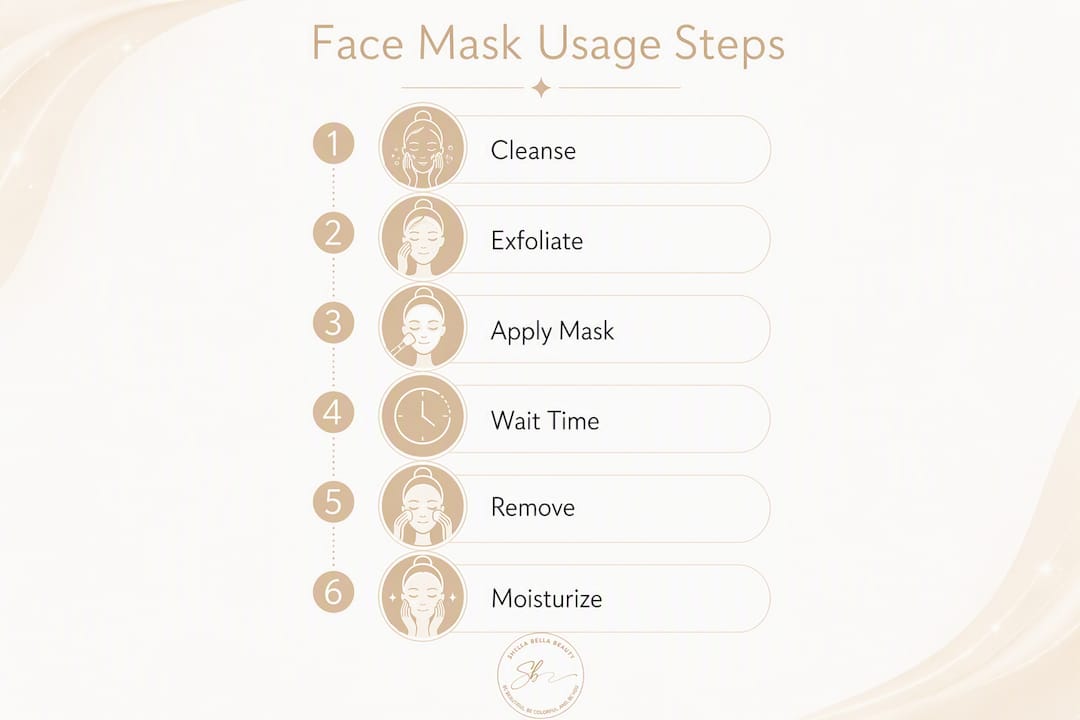
Deep cleansing and oil control. Clay masks, especially those formulated with kaolin or bentonite, act like a gentle magnet for sebum and surface debris. They are particularly well-suited to oily or acne-prone skin, where excess oil production can lead to congestion and breakouts.
Exfoliation and texture refinement. Masks containing alpha-hydroxy acids (AHAs) or enzymes dissolve the bonds between dead skin cells, revealing a smoother surface beneath. Unlike physical scrubs, these chemical exfoliants work without friction, making them a gentler option for most skin types.
Calming and inflammation control. Ingredients like niacinamide, aloe vera, and oat extract can visibly reduce redness and ease the discomfort of reactive or sensitized skin. Healthline notes that dermatologists recognize masks as a meaningful tool for soothing inflamed skin when the right formula is chosen.
Brightening and short-term glow. Vitamin C, kojic acid, and certain antioxidant blends can improve the appearance of dullness and uneven tone. These effects are real, but they are also temporary.
“Masks provide intensive nourishment, but the benefits are temporary. Daily routine and clinical treatments are required for lasting changes.” — Dr. Nikhil Dhingra, board-certified dermatologist
That last point is worth sitting with. A mask used the night before an event will genuinely refresh your complexion. Relying on masks alone to treat chronic acne or persistent hyperpigmentation, however, will leave you disappointed. The role of a facial mask is to amplify and accelerate, not to replace consistent daily care.
Which mask format fits your skin type and concern?
Different mask formats are built around different delivery systems, and choosing the right one matters as much as choosing the right ingredient. Healthline confirms that clay masks and sheet masks, for example, serve fundamentally different purposes despite both being called “face masks.”
| Mask Format | Typical Actives | Best For | Timing / Frequency |
|---|---|---|---|
| Sheet mask | Hyaluronic acid, ceramides, peptides | Dry, dehydrated, sensitive, or inflamed skin | 5–20 minute sessions, a few times per week |
| Clay / mud mask | Kaolin, bentonite, sulfur | Oily, acne-prone, congested skin | 10–20 minute sessions, once or twice per week |
| Cream / gel mask | Niacinamide, aloe, vitamin C, retinol | Combination, aging, or dull skin | 10–20 minute sessions, regularly but not daily |
| Exfoliating / enzymatic mask | AHAs, BHAs, papain, bromelain | Rough texture, uneven tone, mild congestion | 5–10 minute sessions, about once a week |
| Overnight mask | Ceramides, peptides, hyaluronic acid | Dry or mature skin needing deep repair | Leave on overnight occasionally |
A few practical notes on format trade-offs:
- Sheet masks are mess-free and convenient but generate single-use waste; look for biodegradable options when possible.
- Clay masks can over-dry skin if left on too long, particularly around the nose and cheeks where skin tends to be drier.
- Overnight masks work best when applied as the final step in an evening routine, sealing in everything applied before them.
- Enzymatic masks are gentler than AHA masks for first-time chemical exfoliation users, making them a thoughtful starting point.
How to apply a face mask for the best results
The foundational rule is simple: cleanse, apply, time it, remove, then follow with moisturizer and SPF if it is daytime. Every other detail builds from that sequence.
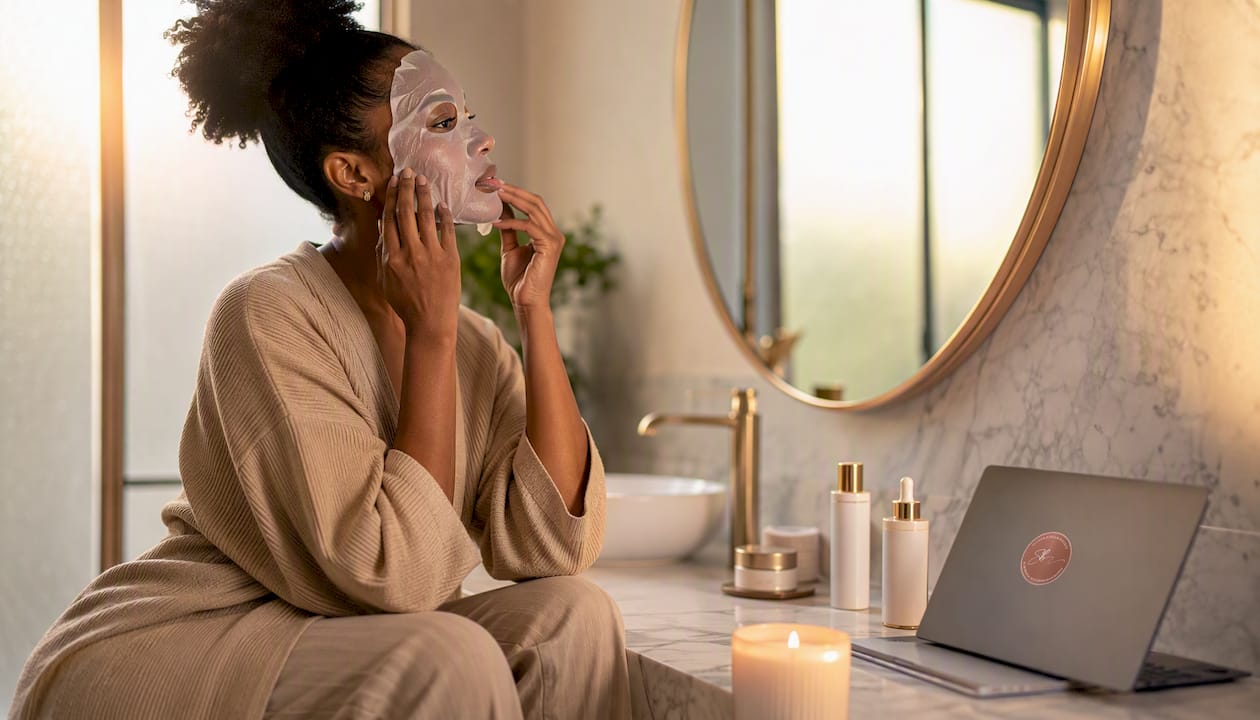
Step one: Cleanse thoroughly. Begin with a gentle cleanser to remove makeup, sunscreen, and surface debris. Applying a mask to unwashed skin reduces its efficacy and can trap impurities beneath the formula.
Step two: Exfoliate if appropriate. If your mask is not itself an exfoliant, a light chemical exfoliant used beforehand can improve absorption. Skip this step if your skin is sensitive or if you are using an active mask.
Step three: Apply an even layer. Use clean fingertips or a silicone brush to apply the mask in a thin, even layer, avoiding the eye area and lips. A thin layer is sufficient; thicker application does not improve results and wastes product.
Step four: Time it carefully. Most rinse-off masks perform best within a 5–20 minute window, while active or enzyme masks typically call for 10–20 minutes. Overnight formulas are designed to remain on the skin until morning. Exceeding the recommended time rarely improves results and can cause irritation, particularly with clay or exfoliating formulas.
Step five: Remove gently. Rinse with lukewarm water using soft, circular motions, or remove sheet masks by peeling from the edges inward. Pat skin dry with a clean cloth rather than rubbing.
Step six: Layer your post-mask products. Apply a hydrating serum while skin is still slightly damp, then follow with your moisturizer to seal in the treatment. If you are masking in the morning, apply SPF as your final step. For guidance on where masks fit within a fuller routine, the skincare layering guide from Shellabellabeauty walks through the complete product sequence.
Pro Tip: If you are introducing a mask with stronger actives, such as an AHA or retinol formula, begin with once-weekly use for two to three weeks before increasing frequency. Never layer a mask containing AHAs directly over a serum that also contains retinol in the same session.
Matching mask ingredients to your specific skin concerns
Knowing what a mask contains is as important as knowing what it claims to do. The Cleveland Clinic cautions that efficacy is driven by well-researched staples, not exotic additives, and that many luxury novelty ingredients lack robust clinical backing. For a deeper primer on how these actives function, Shellabellabeauty’s guide to skincare active ingredients covers the science in accessible detail.
| Active Ingredient | Skin Concern | Best Mask Type | Safety Note |
|---|---|---|---|
| Hyaluronic acid | Dehydration, dullness | Sheet, cream | Safe for all skin types |
| Ceramides | Dry, compromised barrier | Sheet, overnight | Ideal post-procedure |
| AHAs (glycolic, lactic) | Texture, uneven tone | Exfoliating | Avoid with retinoids same session |
| BHAs (salicylic acid) | Acne, congestion, oiliness | Clay, gel | Limit to 1–2x per week |
| Niacinamide | Redness, enlarged pores, oiliness | Cream, gel | Pairs well with most actives |
| Vitamin C | Dullness, hyperpigmentation | Cream, gel | Avoid combining with AHAs at high pH |
| Enzymes (papain, bromelain) | Rough texture, sensitivity | Enzymatic | Gentler alternative to AHAs |
| Antioxidants (vitamin E, green tea) | Environmental stress, aging | Cream, overnight | Broadly compatible |
A few additional considerations for sensitive or reactive skin:
- Avoid masks that list fragrance, synthetic dyes, or alcohol high in the ingredient list; these are common irritants.
- Parabens and certain preservatives can trigger reactions in reactive skin types; fragrance-free formulas are a safer starting point.
- Natural does not automatically mean gentle. Essential oils, citrus extracts, and certain botanical actives can be more irritating than synthetic alternatives.
For readers managing sensitive or reactive skin, the sensitive skin guidance from Shellabellabeauty offers a thoughtful framework for choosing calming formulas.
Safety, patch testing, and when to skip a mask entirely
A mask’s occlusive nature, the very quality that makes it effective, also means that any irritant in the formula will have prolonged contact with your skin. Patch testing before full-face use is not optional caution; it is a straightforward practice that prevents unnecessary setbacks.
How to patch test:
- Apply a small amount of the mask to the inner jaw or behind one ear.
- Leave it on for the duration the product recommends, then rinse.
- Wait 24–48 hours and observe the area for redness, itching, swelling, or any change in texture.
- If no reaction appears, proceed with full-face use.
The Cleveland Clinic specifically recommends this approach for masks containing fragrance, dyes, or novel botanical extracts, which are the most common sources of contact reactions.
Stop use immediately if you notice:
- Burning or stinging that does not subside within a minute of application
- Blistering or peeling beyond normal exfoliation
- Severe redness, swelling, or hives
- Persistent itching after removal
People using prescription-strength retinoids should be especially cautious with exfoliating masks, as the combination can cause significant irritation. Those with chronic conditions like eczema, rosacea, or severe cystic acne should seek clinical guidance rather than relying on at-home treatments.
Environmental and seasonal factors also influence mask choice. In winter, when cold air and indoor heating deplete moisture, hydrating sheet masks and overnight formulas become more valuable. In humid summer months, lighter gel masks or clay formulas may suit oily skin better. High-pollution environments can increase oxidative stress on the skin, making antioxidant-rich masks a thoughtful addition to a weekly routine.
What dermatologists say about the real value of face masks
The mechanism behind a mask’s effectiveness comes down to two factors: occlusion and contact time. Board-certified dermatologist Dr. Lauren Fine explains that a mask’s primary advantage is acting as a barrier that gives active ingredients prolonged exposure and time to absorb into the skin, a quality that distinguishes masks from serums or moisturizers applied in the open air.
“Sheet masks are especially soothing for sensitive or inflamed skin, while cream masks address specific complaints like wrinkles or acne.” — Dr. Khetarpal, board-certified dermatologist, Cleveland Clinic
That distinction matters in practice. A sheet mask soaked in ceramides and hyaluronic acid is not the right tool for treating a breakout, just as a salicylic acid clay mask is unlikely to comfort reactive, sensitized skin. Matching the format and formula to the concern is where most people go wrong, not in the decision to use masks at all.
Dermatologists are consistent on one point: masks work as supplemental, temporary boosters. They can calm an acute flare, restore radiance before an event, or give the skin barrier a concentrated dose of repair. What they cannot do is replace the cumulative effect of a daily routine built on cleansing, moisturizing, and sun protection. For persistent or severe conditions, professional treatment remains the appropriate path.
Mask recommendations by skin type and age
Skin’s needs shift with age, hormonal changes, and cumulative sun exposure, and the most effective mask for a 22-year-old with oily, acne-prone skin will differ considerably from the ideal choice for someone in their 40s managing dryness and loss of firmness.
Teens and early 20s (oily, acne-prone skin). Clay masks with salicylic acid or bentonite are well-suited to this group, helping manage excess sebum and reduce the appearance of congestion. Use once or twice weekly, and follow with a lightweight, non-comedogenic moisturizer.
Mid-20s to 30s (combination, first signs of uneven tone). Niacinamide-based gel masks address pore appearance and early hyperpigmentation without disrupting the barrier. Enzymatic masks once a week can maintain smooth texture without the intensity of AHAs.
30s to 40s (early aging, dehydration, dullness). Peptide-rich cream masks and hyaluronic acid sheet masks become more relevant here, supporting the skin’s natural collagen environment and restoring the plumpness that begins to diminish with age. Vitamin C masks used once weekly can address dullness and environmental damage.
50s and beyond (mature, dry, or thinning skin). Overnight masks with ceramides and peptides offer the deepest repair for skin that has lost significant moisture-retention capacity. Gentle enzymatic exfoliation once a week keeps the surface receptive without compromising an already-delicate barrier.
For sensitive skin at any age, fragrance-free, minimal-ingredient formulas are the safest starting point. The multi-step skincare ritual guide from Shellabellabeauty offers age- and skin-type-specific routine frameworks that show exactly where masks fit.
Common myths about face masks, corrected
A few persistent misconceptions shape how people use, or avoid, masks in ways that limit their results.
Myth: Leaving a mask on longer makes it work better. The opposite is often true. Clay masks left on past the recommended window begin to draw moisture from the skin itself once they have absorbed available surface oil. Exfoliating masks held on too long increase the risk of irritation without improving exfoliation. Follow the timing guidance on the label.
Myth: Pores open and close with steam or cold water. Pores do not have muscles and cannot open or close. Warm water softens the material inside a pore, making cleansing more effective, but the pore itself does not change size in response to temperature.
Myth: Natural or DIY masks are always safer than commercial ones. Lemon juice, baking soda, and undiluted essential oils appear frequently in homemade mask recipes and are among the more reliably irritating ingredients you can apply to your face. Lemon juice, for example, has a pH far too low for safe topical use and can cause photosensitivity. Commercial formulas are pH-adjusted and stability-tested in ways that kitchen ingredients are not.
Myth: Masks are only for women or for special occasions. Masks are a functional skincare tool with no gender association. Their benefits, from oil control to barrier repair, apply to any skin type regardless of who is wearing them.
Myth: Expensive masks always outperform affordable ones. Price reflects branding, packaging, and marketing as much as formulation. A mask built around well-researched actives like hyaluronic acid, ceramides, or salicylic acid at effective concentrations will outperform a luxury formula built around exotic botanicals with no clinical evidence behind them.
Key Takeaways
Face masks deliver a concentrated, temporary treatment for specific skin concerns and work best as a supplement to, not a replacement for, a consistent daily skincare routine.
| Point | Details |
|---|---|
| Primary purpose | Masks deliver targeted actives (hydration, exfoliation, calming, clarity) in a concentrated, time-limited session. |
| Realistic expectations | Benefits are temporary; lasting skin improvement requires consistent daily cleansing, moisturizing, and SPF. |
| Timing matters | Most rinse-off masks perform best within a short recommended window; exceeding that can cause irritation. |
| Ingredient over novelty | Proven staples like hyaluronic acid, ceramides, AHAs, and salicylic acid outperform exotic additives in clinical evidence. |
| Shellabellabeauty | Shellabellabeauty’s ingredient education and luxury skincare range help you choose and use masks with intention and confidence. |
The ritual behind the result
There is a tendency in modern skincare to treat masks as a performance, something to photograph and post rather than something to feel. What gets lost in that framing is the genuine value of the pause itself. Applying a mask is one of the few moments in a skincare routine that asks you to be still, to wait, to give your skin your full attention for fifteen minutes without multitasking.
From where I stand, the most underrated aspect of a well-chosen mask is not the ingredient list but the consistency it encourages. People who mask regularly tend to be more attentive to their skin overall. They notice changes earlier, they respond more thoughtfully, and they build routines that actually hold. The mask is not the hero of the story. It is the ritual that keeps you showing up for your skin, week after week, with care and intention.
The conventional wisdom says to choose your mask based on your skin type. That is correct but incomplete. Choose it based on what your skin needs right now, which changes with the season, your stress level, your environment, and your age. A single mask formula used on autopilot for years is not a ritual; it is a habit. The difference is attention.
Shellabellabeauty’s approach to the mask ritual
Shellabellabeauty was built on the belief that radiance is not manufactured but returned to, and the mask ritual is one of the most direct expressions of that philosophy. Every formulation in the Shellabellabeauty skincare range is grounded in high-performance actives, thoughtful ingredient pairing, and the kind of sensory refinement that makes a weekly mask feel like genuine self-care rather than a chore.
Whether you are beginning with a calming sheet mask for sensitive skin or exploring a peptide-rich overnight formula for deeper repair, Shellabellabeauty’s luxury skincare collection offers a considered starting point. The Glow Chronicles editorial content pairs with every product to guide your choices with clarity and confidence. For readers who want to treat mask time as part of a broader self-care beauty ritual, the brand’s full range of educational guides and premium formulations are available at shellabellabeauty.com.
Useful sources and further reading
These are the primary sources cited throughout this article. Clinical and regulatory sources are noted where relevant.
- Do facial masks work, and should I add one to my skin care routine? — American Academy of Dermatology (AAD); clinical consumer guidance on mask efficacy and routine integration.
- Do Face Masks Actually Work or Are They Just a Fad? — Cleveland Clinic; dermatologist-reviewed explainer on mask mechanisms, patch testing, and ingredient selection.
- Do Face Masks Work? 10 Things to Know About Skin Type, Ingredients — Healthline; consumer education with dermatologist commentary on mask types, ingredients, and realistic expectations.
- Masks and respirators for prevention of respiratory infections — PMC / NCBI; state-of-the-science review on respiratory masks (relevant for distinguishing skincare masks from medical respiratory masks).
- Masks and Respiratory Viruses Prevention — CDC; public health guidance on respiratory mask use (context for FAQ clarification on mask types).
FAQ
What is the main purpose of a facial mask?
A facial mask delivers a concentrated dose of active ingredients, such as hyaluronic acid, salicylic acid, or AHAs, directly to the skin in a single treatment session, targeting specific concerns like dehydration, congestion, or uneven texture. The AAD describes masks as a supplemental treatment that increases ingredient contact time and absorption beyond what a serum or moisturizer alone can achieve.
Do you actually need a face mask in your routine?
Masks are not strictly necessary, but they offer a concentrated boost that daily products cannot replicate in a single application. They work best as a weekly or bi-weekly addition to a routine that already includes consistent cleansing, moisturizing, and sun protection.
How long should you leave a face mask on?
Most rinse-off masks perform best within a 5–20 minute window, while enzyme or active masks typically call for 10–20 minutes, and overnight formulas are designed to remain on until morning. Exceeding the recommended time can cause irritation, particularly with clay or exfoliating formulas.
What is the difference between a skincare face mask and a respiratory mask?
A skincare face mask is a topical cosmetic product applied to the skin to deliver active ingredients; a respiratory mask, such as an N95 respirator or surgical mask, is a medical or protective device designed to filter airborne particles. The CDC provides guidance on respiratory masks, which follow entirely different regulatory standards and serve no skincare function.
Which face mask is best for acne-prone skin?
Clay masks formulated with salicylic acid or bentonite are well-suited to acne-prone skin, as they absorb excess oil and help clear congestion. Use once or twice weekly, and follow with a non-comedogenic moisturizer to prevent the over-drying that can trigger compensatory oil production.
Recommended
- Hair Mask vs Conditioner: What to Use – Shella Bella Beauty™
- How to Use Facial Oil Overnight Right – Shella Bella Beauty™
- 7 Benefits of Facial Serums for Better Skin – Shella Bella Beauty™
- Botanical Extracts in Skincare: Examples and Benefits – Shella Bella Beauty™
- Join Glow Chronicles™ — Continue the Glow™ with editor’s picks, seasonal beauty rituals, exclusive skincare insights, and new editions delivered to your inbox.