

Skincare active ingredients are defined as scientifically formulated compounds that target specific skin concerns and produce measurable changes in skin structure or function. Unlike passive ingredients such as emollients or preservatives, actives are the workhorses of any effective routine. Understanding the types of skincare active ingredients gives you the clarity to build a regimen that genuinely serves your skin rather than simply sitting on its surface. Dermatology consensus and large-scale product analysis both confirm that knowing which actives to use, and how to use them, separates a thoughtful ritual from a shelf full of wishful thinking.
What are the most effective types of skincare active ingredients?
Skincare actives fall into four broad categories: antioxidants, exfoliants, hydrators, and barrier-supporting ingredients. Each category works through a distinct mechanism, and understanding those differences helps you choose with intention rather than impulse.
Antioxidants neutralize free radicals that accelerate cellular aging and pigmentation. Vitamin C is the most clinically supported antioxidant in skincare. Vitamin C supports collagen synthesis and brightens uneven tone, with 88.7% of dermatologists recommending it for fine lines. That level of endorsement reflects decades of peer-reviewed evidence, not marketing momentum. You can read more about how antioxidants function at a molecular level in Shellabellabeauty’s antioxidants in skincare guide.
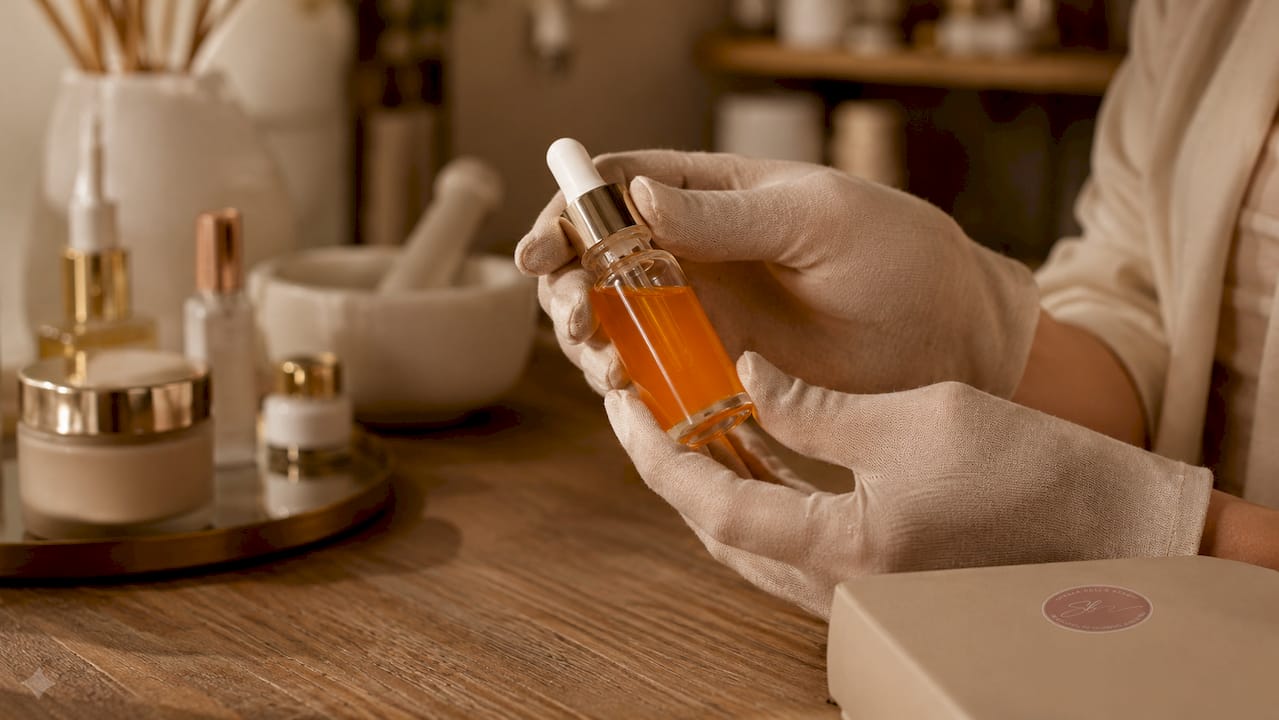
Exfoliating acids remove dead skin cells and refine texture. Alpha hydroxy acids (AHAs) such as glycolic acid and lactic acid work on the skin’s surface. Glycolic acid is stronger while lactic acid is gentler and more moisturizing, making lactic acid a better starting point for sensitive skin. Beta hydroxy acid (BHA), primarily salicylic acid, is oil-soluble and penetrates pores, making it the preferred exfoliant for acne-prone and congested skin.
Hydrating agents restore moisture and reinforce the skin’s ability to retain it. Hyaluronic acid draws water to the skin’s surface and functions primarily as a humectant rather than a deep-penetrating agent. Ceramides rebuild the lipid barrier, preventing moisture loss and protecting against environmental stressors.
Retinoids stand in a category of their own. Over 96% of dermatologists endorse retinoids for both anti-aging and acne treatment, making them the most universally supported active in clinical practice. Over-the-counter retinol requires one to two conversion steps in the skin before becoming retinoic acid, which explains why prescription-strength retinoids act faster but also carry a higher risk of irritation.
-
Vitamin C: antioxidant, collagen support, brightening
-
Retinoids: cell turnover, anti-aging, acne control
-
AHAs (glycolic, lactic): surface exfoliation, texture refinement
-
BHA (salicylic acid): pore-clearing, oil control
-
Hyaluronic acid: surface hydration, plumping
-
Ceramides: barrier repair, moisture retention
-
Niacinamide: pore appearance, tone evening, barrier support
Pro Tip: Start with one new active at a time and introduce it every other day for two weeks before adding another. This approach lets your skin adapt and makes it easier to identify the source of any irritation.
How to select and use skincare actives based on your skin concerns
Matching the right active to your skin concern is the most practical skill in any skincare routine. The process is methodical, not intuitive, and it rewards patience.
-
For acne-prone skin: Salicylic acid at 2% concentration is the gold standard. It dissolves excess sebum inside pores and reduces inflammation. Niacinamide at concentrations below 10% complements salicylic acid by calming redness and regulating oil production. Retinoids also address acne at the cellular level by normalizing skin cell turnover.
-
For signs of aging: Retinol is the most evidence-backed choice for fine lines and loss of firmness. Pair it with vitamin C in the morning for collagen support throughout the day. Peptides offer a gentler alternative for those whose skin does not tolerate retinoids well, though their real-world data outside lab settings remains limited.
-
For dryness and a compromised barrier: Ceramides and hyaluronic acid work together to restore moisture balance. Ceramides rebuild the lipid matrix while hyaluronic acid holds water at the surface. Shellabellabeauty’s dry skin collection pairs these actives with rich, cushioned formulations designed to restore comfort without heaviness.
-
For uneven tone and texture: Vitamin C in the morning addresses pigmentation and oxidative damage. AHAs used two to three times per week refine surface texture and improve radiance over time. For deeper discoloration, azelaic acid at 15%–20% concentration offers both brightening and anti-inflammatory benefits.
-
For sensitive skin: Lactic acid is the gentlest AHA option. Niacinamide below 10% soothes without stripping. Shellabellabeauty’s sensitive skin formulations are built around actives that deliver results without disrupting the skin’s natural equilibrium.
Timing matters significantly. Vitamin C is best applied in the morning alongside SPF, while retinoids belong in your evening routine due to photosensitivity. AHAs and BHAs should be used 1–3 times per week to avoid disrupting the skin barrier. Layering actives requires care. Apply water-based serums before oils and creams, and avoid combining retinoids with AHAs on the same night until your skin has built tolerance.
Pro Tip: If you experience redness or peeling when introducing retinol, try the “sandwich method”: apply a thin layer of moisturizer before and after the retinol to buffer its intensity without eliminating its benefits.
What consumers should know about formulation and ingredient potency
Higher concentration does not equal better results. This is one of the most persistent misconceptions in skincare, and it leads many people to irritate their skin unnecessarily.
Optimal concentrations for efficacy and safety are: retinol at 0.1%–1.0%, azelaic acid at 15%–20%, and salicylic acid at 2%. Exceeding these ranges increases the risk of contact dermatitis without delivering proportional improvement. The skin has a threshold for how much of any active it can process, and pushing past that threshold causes damage rather than acceleration.
Formulation quality and delivery system reliability determine whether an active ingredient reaches its target in a stable, effective form. Stable formulation and delivery vehicle reliability are more critical for ingredient effectiveness than concentration alone. A vitamin C serum in an opaque, airtight bottle at the correct pH will outperform a higher-concentration formula that has oxidized due to poor packaging.
| Misconception | Reality |
|---|---|
| Higher concentration always works better | Excess concentration increases irritation without added benefit |
| Hyaluronic acid deeply penetrates skin | It functions primarily as a surface-level humectant |
| Niacinamide is always gentle | Concentrations above 10% can trigger irritation |
| Expensive products contain more actives | Price does not determine active ingredient quality or stability |
| You can feel actives working immediately | Most actives require 6–12 weeks of consistent use to show visible results |
Reading ingredient labels critically is a skill worth developing. Actives listed higher on an ingredient list appear at greater concentrations. Learning to read skincare ingredient labels helps you verify that a product actually contains the actives it promotes, rather than relying on marketing language alone.
Which ingredients are trending, and what does the clinical data actually say?
Product prevalence and clinical endorsement do not always align. Understanding that gap protects you from spending money on ingredients with more marketing momentum than evidence.
Data from over 259,000 skincare products shows that niacinamide appears in 18.7% of formulations, vitamin C in 12.2%, and retinoids in only 4.3%. That low retinoid prevalence is striking given that retinoids are endorsed by over 96% of dermatologists. The gap reflects formulation challenges: retinoids are unstable, require careful pH management, and demand more sophisticated delivery systems than many brands invest in.
-
Peptides: Trending strongly in premium formulations. They signal the skin to produce collagen and elastin. Peptides hold promise as multifunctional actives but currently lack robust real-world effectiveness data outside controlled lab settings. They are worth including in a routine but should not replace proven actives.
-
Squalane: Derived from olives or sugarcane, squalane mimics the skin’s natural sebum and functions as a lightweight, non-comedogenic emollient. It supports barrier integrity without clogging pores, making it suitable for most skin types.
-
Azelaic acid: Clinically underused despite strong evidence for both acne and rosacea. It brightens, reduces inflammation, and is safe during pregnancy, which makes it one of the most versatile actives on the market.
-
Bakuchiol: A plant-derived alternative to retinol with growing clinical interest. Early studies show comparable results to low-concentration retinol with less irritation, though long-term data is still accumulating.
The most reliable approach is to anchor your routine in proven actives like retinoids, vitamin C, and exfoliating acids, then layer in trending ingredients as complements rather than replacements. Shellabellabeauty’s ingredient mixing guide offers practical guidance on building these layered routines with care.
Key takeaways
The most effective skincare routine anchors itself in clinically endorsed actives like retinoids and vitamin C, uses them at proven concentrations, and applies them at the right time of day for maximum benefit.
| Point | Details |
|---|---|
| Retinoids lead clinical consensus | Over 96% of dermatologists endorse retinoids, yet they appear in only 4.3% of products. |
| Timing shapes effectiveness | Apply vitamin C in the morning with SPF; use retinoids at night to avoid photosensitivity. |
| Concentration has a ceiling | Retinol works best at 0.1%–1.0%; exceeding optimal ranges increases irritation, not results. |
| Formulation quality matters most | A stable delivery system determines whether an active ingredient remains effective through use. |
| Prevalence does not equal proof | Niacinamide appears in 18.7% of products; retinoids in 4.3%, despite stronger clinical support. |
Marshella’s take on building a routine that actually works
The conversation around skincare actives has never been louder, and that noise is both exciting and genuinely misleading. What I have found, after years of studying formulations and working through ingredient science, is that most people are not under-using actives. They are over-layering them without a clear reason.
The most common mistake I see is stacking four or five actives in a single routine because each one sounds promising in isolation. Retinol, AHA, vitamin C, niacinamide, and a peptide serum all in one evening is not a ritual. It is a recipe for a damaged barrier and a lot of frustration. The skin can only process so much at once, and more inputs do not produce proportionally better outputs.
What actually works is simpler than the industry wants you to believe. A well-formulated retinoid used consistently at night, vitamin C in the morning with SPF, and a ceramide-rich moisturizer to support the barrier will outperform any complicated ten-step routine. SPF prevents up to 80% of visible skin aging, yet it remains the most overlooked step in most people’s routines. That single fact should reorder your priorities immediately.
Patience is the active ingredient that no brand can bottle. Most actives require six to twelve weeks of consistent use before visible results appear. If you abandon a retinoid after three weeks because you see no change, you have not given the ingredient a fair trial. Skin renewal operates on its own timeline, and the most respectful thing you can do for your skin is honor that rhythm rather than rush it.
— Marshella
Skincare rituals built around actives that perform
Shellabellabeauty was built on the belief that radiance is not created. It is returned to. Every collection reflects that philosophy, pairing high-performance actives with formulations designed to feel as refined as they perform.

The Renewal and Smoothing Skincare Rituals collection brings together dermatologist-endorsed actives in stable, elegantly crafted formulations. Each product in the collection is designed to work in harmony with your skin’s natural renewal cycle, supporting clarity, texture, and luminosity without stripping or overwhelming. Whether your concern is uneven tone, visible aging, or surface texture, these rituals offer a considered path forward. For those focused on restoring deep moisture alongside active benefits, the deep hydration ritual collection offers a complementary approach rooted in barrier care.
FAQ
What are skincare active ingredients?
Skincare active ingredients are compounds formulated to produce a specific, measurable change in skin function or appearance. They differ from inactive ingredients, which serve as carriers, preservatives, or texture agents.
Which active ingredient is best for acne?
Salicylic acid at 2% concentration is the most clinically supported active for acne. It clears pores, reduces inflammation, and is suitable for daily use in most acne-prone skin types.
Can you use multiple actives in the same routine?
Yes, but with care. Vitamin C pairs well with SPF in the morning, while retinoids and AHAs are best reserved for separate evenings to avoid barrier disruption and excess sensitivity.
How long do skincare actives take to work?
Most actives require 6–12 weeks of consistent use before visible improvement appears. Retinoids in particular show cumulative benefits that build over months rather than days.
What is the difference between AHAs and BHAs?
AHAs such as glycolic and lactic acid exfoliate the skin’s surface and suit dry or dull skin. BHA (salicylic acid) is oil-soluble, penetrates pores, and is the preferred choice for oily or acne-prone skin.