
What is holistic beauty, and what does it really mean?
Holistic beauty is the practice of nurturing your whole self — mind, body, and spirit — so that radiance becomes a natural expression of inner balance rather than a surface-level achievement. Where conventional beauty focuses on correcting what you see, this integrative philosophy asks a deeper question: what is happening within? Holistic health encompasses mind, body, emotions, and spirit, promoting balance and well-being through preventive, integrative care, and that same principle translates directly into how we understand beauty today.
At its core, this philosophy recognizes that your skin is a vessel, reflecting the quality of your sleep, the steadiness of your emotions, the nourishment you provide from within, and the care you offer on the surface. Radiance is not manufactured; it is returned to. The skin-brain axis and lifestyle habits — stress, nutrition, emotional balance — shape skin health far more than any single product ever could.
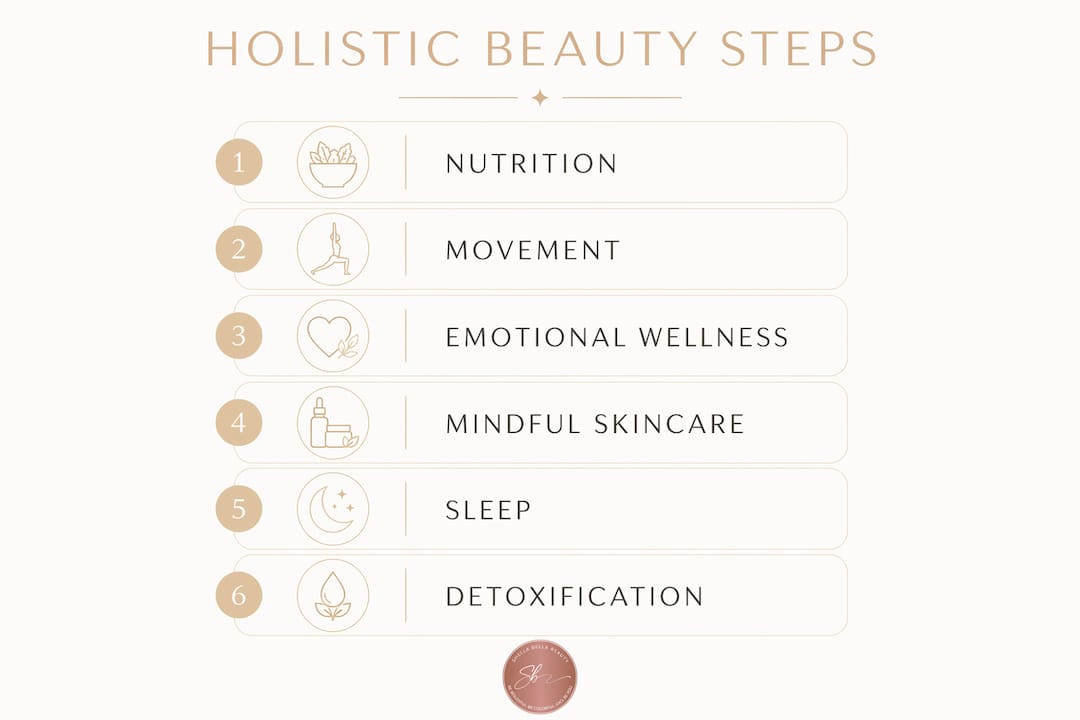
The core components of this philosophy include:
- Nutrition and gut health: feeding your skin from the inside through whole foods and a balanced microbiome
- Physical movement: supporting circulation, detoxification, and emotional steadiness
- Emotional wellness: managing stress and cultivating a calm, grounded inner life
- Mindful skincare: choosing clean, bio-active formulations that work with your skin’s biology
- Restorative sleep: allowing the body and skin to repair and regenerate overnight
- Intentional lifestyle habits: reducing environmental stressors and practicing digital boundaries
How does your diet shape your skin’s natural radiance?
Nutrition is one of the most direct pathways to skin health, and yet it is often the last place people look when their complexion feels dull or reactive. What you eat influences your gut microbiome, and the gut-skin axis is now well-established in dermatological research: an imbalanced gut often surfaces as inflammation, breakouts, or uneven tone. Feeding your body with fiber-rich vegetables, omega-3 fatty acids from sources like wild salmon and flaxseed, and antioxidant-dense berries creates the internal conditions for clarity and glow.
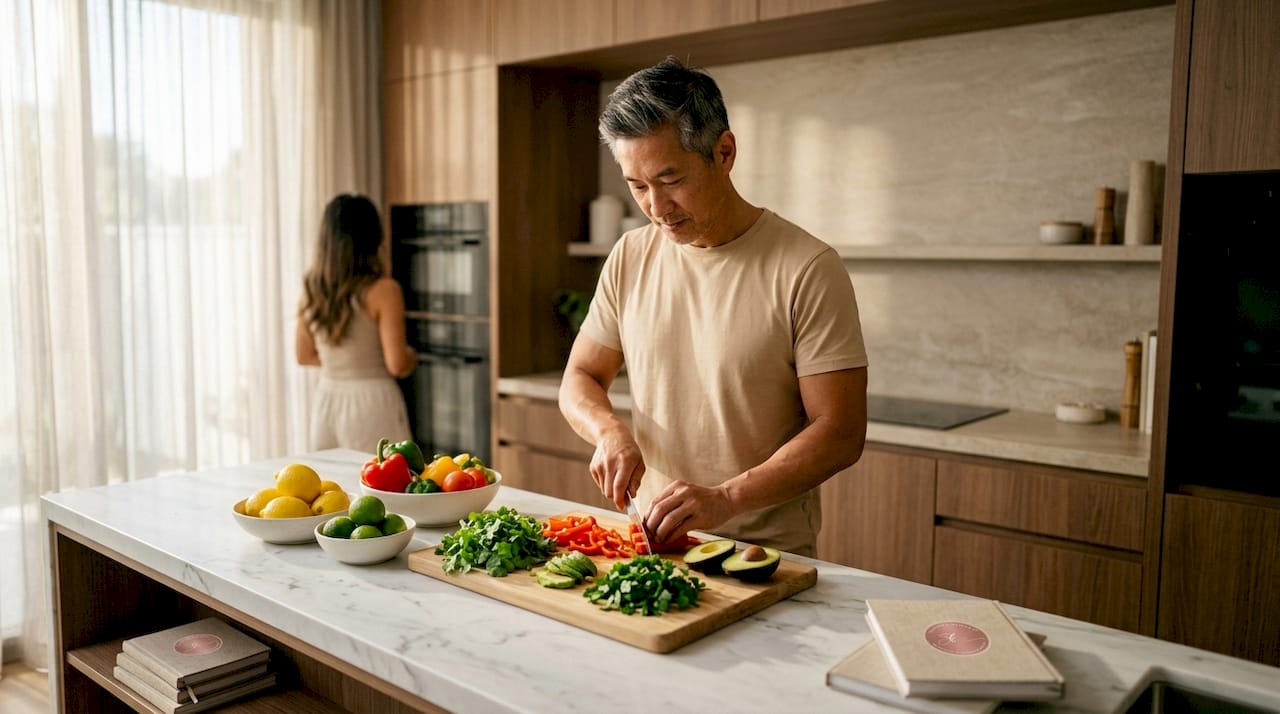
Probiotics and prebiotics play a quieter but equally meaningful role. Fermented foods such as kimchi, kefir, and plain yogurt support the beneficial bacteria that regulate inflammation throughout the body, including the skin. Bio-active ingredients supporting the skin microbiome, integrated with nutrition and biotics, are central to how holistic beauty products and practices achieve lasting results.
Key dietary habits that support this approach:
- Prioritize whole, minimally processed foods over refined sugars and seed oils
- Include a daily source of omega-3s to reduce systemic inflammation
- Add fermented foods to support gut flora and the gut-skin connection
- Stay consistently hydrated, as even mild dehydration dulls skin texture
- Limit alcohol and excess caffeine, which disrupt sleep quality and skin barrier function
Pro Tip: Rather than overhauling your diet overnight, identify one or two sustainable additions — a daily handful of walnuts, a small serving of yogurt — and build from there. Consistency over weeks and months is what creates visible change.
Why does physical movement matter for your skin?
Exercise does something no serum can fully replicate: it increases circulation, delivering oxygen and nutrients to skin cells while flushing out metabolic waste. That post-movement flush is not just aesthetic. Regular physical activity reduces systemic inflammation, supports lymphatic drainage, and lowers cortisol, the stress hormone most directly linked to breakouts and accelerated skin aging.

The type of movement matters less than the consistency of it. Yoga and Pilates are particularly valued in this philosophy because they combine physical conditioning with breathwork and mindfulness, addressing both the body and the nervous system simultaneously. Walking outdoors adds the benefit of natural light exposure, which supports circadian rhythm and, by extension, sleep quality.
Practices that support beauty from the outside in:
- Yoga: reduces cortisol, improves posture, and encourages deep, rhythmic breathing
- Brisk walking: stimulates lymphatic flow and supports a healthy sleep cycle
- Strength training: builds the muscular foundation that gives skin a lifted, toned appearance over time
- Swimming: gentle on joints while providing full-body circulation benefits
- Dance or movement classes: combine joy with cardiovascular benefit, reducing stress naturally
How does emotional wellness connect to your skin?
The relationship between your emotional state and your skin is not metaphorical. It is physiological. Chronic stress triggers the release of cortisol and other inflammatory compounds that break down collagen, impair the skin barrier, and worsen conditions like eczema, rosacea, and acne. Holistic facial treatments lower cortisol levels and address lifestyle triggers for skin conditions, differing from clinical facials by incorporating mind-body elements like aromatherapy and guided relaxation.
The emerging field of neurocosmetics and psychodermatology formalizes what practitioners of traditional wellness have long understood: the nervous system and the skin are in constant conversation. Practices that calm the nervous system create measurable improvements in skin behavior over time.
Emotional wellness practices worth weaving into your daily rhythm:
- Mindfulness meditation: even ten minutes daily reduces the physiological stress response
- Breathwork: techniques like box breathing or 4-7-8 breathing lower cortisol quickly
- Journaling: externalizing worry and gratitude reduces rumination and its inflammatory effects
- Boundary-setting: protecting your energy from chronic social or digital overstimulation
- Self-care rituals: the act of tending to yourself with intention signals safety to the nervous system
Pro Tip: Attach an emotional wellness practice to something you already do. A few minutes of deep breathing while your cleanser works, or a moment of quiet gratitude before bed, builds the habit without requiring extra time.
What does mindful skincare look like in practice?
Mindful skincare within this philosophy means choosing products that work with your skin’s biology rather than against it, and treating your routine as a ritual of care rather than a corrective task, as outlined in the Beauty tech blog | GLOWERA guides Beauty Tech | GLOWERA. Clean, organic formulas work with the skin’s biology and microbiome, supporting skin from the inside and out, and that principle guides product selection in a beauty-and-wellness approach. Shellabellabeauty’s clean beauty ingredient philosophy reflects exactly this: formulations that respect the skin’s natural intelligence.
Pairing topical care with internal wellness creates what practitioners call an “in-and-out” synergy. A beautifully formulated serum applied to well-nourished, well-rested skin performs differently than the same product applied to a depleted complexion.
Holistic skincare techniques and practices include:
- Facial massage: stimulates circulation, supports lymphatic drainage, and encourages product absorption
- Gua sha: a traditional tool that reduces puffiness and tension while promoting a lifted appearance
- Lymphatic drainage: gentle, rhythmic movements that reduce fluid retention and brighten skin tone
- Aromatherapy: essential oils like lavender and frankincense calm the nervous system during your routine
- Consistent rituals: morning and evening routines practiced with presence, not rushed through
Explore Shellabellabeauty’s wellness rituals for glowing skin for a curated guide to building this kind of intentional daily practice.
What are the real benefits of embracing this approach?
The shift from conventional beauty to an integrative wellness philosophy produces benefits that extend well beyond clearer skin. Holistic estheticians emphasize that true radiance arises from long-term prevention and balanced lifestyle practices, not from quick fixes or product labels alone. The main barrier to results is chronic stress and lifestyle inflammation, and addressing those roots changes everything.
Benefits you can expect over time:
- Improved skin clarity and tone: reduced inflammation shows up as fewer breakouts and more even color
- Greater emotional resilience: the practices that support skin health also strengthen your capacity to manage stress
- Deeper self-awareness: tuning into your body’s signals helps you respond to its needs before problems escalate
- Sustainable results: because the approach addresses causes rather than symptoms, improvements tend to hold
- A more intentional relationship with beauty: wellness lifestyle choices become intentional, sustainable, and focused on long-term balance between internal health and external beauty
How does modern science support traditional wellness in beauty?
Beauty is now viewed as a state of well-being, where the integration of science and wellness defines true luxury in modern skincare. Successful holistic beauty merges dermatology, psychology, and neuroscience, targeting skin barrier integrity and reducing stress-related redness by addressing the skin-brain axis and microbiome. This is not wellness philosophy replacing science; it is science confirming what ancient traditions practiced intuitively.
Neurocosmetics and psychodermatology represent the formal convergence of these worlds. Neurocosmetics are formulations designed to interact with the nervous system’s pathways in the skin, reducing neurogenic inflammation and calming reactive skin at a cellular level. Psychodermatology, meanwhile, treats skin conditions by addressing their psychological and emotional triggers alongside topical care.
The microbiome is another frontier where research and ritual meet. A diverse, balanced skin microbiome acts as a protective barrier against environmental aggressors, and both topical probiotic formulations and dietary choices influence its composition. Understanding this science does not require a laboratory; it simply means choosing products and practices that support rather than disrupt your skin’s natural ecosystem.
Pro Tip: When evaluating a new product or practice, ask one question: does this support my skin’s natural function, or does it override it? That single filter aligns your choices with both the science and the spirit of integrative beauty.
Where did this philosophy come from?
The roots of integrative beauty run deep across cultures and centuries. Ayurveda, the ancient Indian system of medicine dating back more than 3,000 years, treated beauty as an expression of internal balance among the three doshas: Vata, Pitta, and Kapha. Herbal oils, dietary protocols, and daily self-massage rituals called Abhyanga were not cosmetic practices; they were health practices that happened to produce radiant skin as a byproduct.
Traditional Chinese Medicine approached beauty through the lens of Qi, or vital energy, and the health of internal organs. A dull complexion was read as a signal of liver stagnation or depleted kidney energy, not a reason to apply more product. In ancient Egypt, Cleopatra’s legendary milk baths and honey treatments reflected an understanding that skin responds to nourishment, not just coverage.
Indigenous healing traditions across the Americas, Africa, and the Pacific Islands similarly used plant medicine, ritual, and community as the foundation of well-being, with beauty understood as a natural expression of that wholeness. The holistic health approaches derived from these ancient healing traditions help achieve higher levels of wellness and prevent disease, and modern integrative beauty draws directly from this lineage.
Beauty rituals from around the world worth knowing
The richness of this philosophy becomes most visible in its global traditions. Each culture developed practices that addressed beauty through the body’s whole system, and many of those rituals are as relevant today as they were centuries ago.
Ayurvedic Abhyanga (India): Warm sesame or coconut oil is massaged into the body before bathing, nourishing the skin, calming the nervous system, and supporting lymphatic circulation. Practiced daily, it builds a relationship of care between you and your body.
Gua sha (China): A smooth-edged tool, traditionally jade or rose quartz, is drawn across the face and neck to release fascial tension, stimulate circulation, and encourage lymphatic drainage. The practice also has a meditative quality that slows the morning routine into something intentional.
Hammam (North Africa and the Middle East): The traditional steam bath ritual combines heat, exfoliation with a kessa mitt, and black soap made from olive oil. It cleanses deeply while creating a communal, restorative experience that honors rest as part of beauty.
Forest bathing, or Shinrin-yoku (Japan): Spending time in nature with full sensory presence lowers cortisol, reduces blood pressure, and improves mood. The skin benefits from cleaner air and reduced stress simultaneously.
Herbal steam facials (various traditions): Chamomile, rosemary, and lavender steeped in hot water and inhaled as steam open pores, calm inflammation, and deliver aromatic compounds that soothe the nervous system. Simple, ancient, and effective.
Why sleep is one of the most powerful beauty tools you have
Sleep is when the body does its most intensive repair work, and the skin is no exception. During deep sleep, human growth hormone stimulates cell turnover and collagen synthesis, the two processes most responsible for firm, smooth, and luminous skin. Cortisol drops to its lowest levels overnight, allowing the skin barrier to restore itself without the inflammatory interference that stress creates during waking hours.
Chronic sleep deprivation accelerates the appearance of fine lines, increases skin sensitivity, and impairs the barrier function that keeps moisture in and irritants out. Seven to nine hours of quality sleep is not a luxury; it is the foundation on which every other beauty practice rests. Emory Healthcare’s holistic health guidance specifically names sleeping at least seven hours a night alongside diet and stress management as core pillars of whole-person wellness.
Creating a sleep environment that supports this repair process matters as much as the hours themselves. A cool, dark room, a consistent bedtime, and a wind-down ritual that signals to the nervous system that the day is complete all deepen sleep quality. Your evening skincare routine, practiced slowly and with presence, can serve as part of that signal.
How detoxification and natural remedies support your skin
Detoxification, in the context of integrative beauty, does not mean extreme cleanses or deprivation. It means reducing the burden on your body’s natural elimination pathways: the liver, kidneys, lymphatic system, and skin itself. When these systems are supported, the skin clears, brightens, and regulates itself more effectively.
Dry brushing before a shower stimulates lymphatic flow and removes dead skin cells, supporting the skin’s role as an elimination organ. Drinking warm lemon water in the morning is a gentle liver-supportive practice used across Ayurvedic and naturopathic traditions. Herbal teas such as dandelion root, nettle, and burdock have long been used to support liver and kidney function, with the skin reflecting that internal clarity.
Natural remedies like turmeric, known for its curcumin content and anti-inflammatory properties, and adaptogenic herbs like ashwagandha, which modulates the stress response, address beauty from the inside out. These are not replacements for medical care; they are complementary tools that align with the body’s own intelligence. Shellabellabeauty’s mindful beauty rituals guide explores how to weave these practices into a daily routine with ease and intention.
How your daily habits shape the way your skin looks and feels
Stress management, digital boundaries, and your physical environment influence skin health in ways that no topical product can fully counteract. Chronic psychological stress keeps cortisol elevated, which degrades collagen, impairs the skin barrier, and triggers inflammatory skin conditions. The skin-brain axis means that what happens in your mind registers on your skin, often within hours.
Digital overexposure adds a layer of physiological stress that is easy to underestimate. Blue light from screens disrupts melatonin production, degrading sleep quality and, by extension, overnight skin repair. Constant connectivity keeps the nervous system in a low-grade state of alert, which sustains cortisol at levels that show up as dullness, sensitivity, and breakouts over time. A deliberate digital wind-down, even thirty minutes before bed, creates measurable benefits for both sleep and skin.
Your environment matters too. Air quality, water hardness, and exposure to environmental pollutants all affect the skin barrier and microbiome. Filtering your tap water, using an air purifier in your bedroom, and choosing fragrance-free home products reduce the invisible load your skin carries daily. Beauty and wellness, understood this way, extend into every corner of how you live. For a practical framework on building these habits into a daily practice, Shellabellabeauty’s holistic beauty routine guide offers a thoughtful starting point.
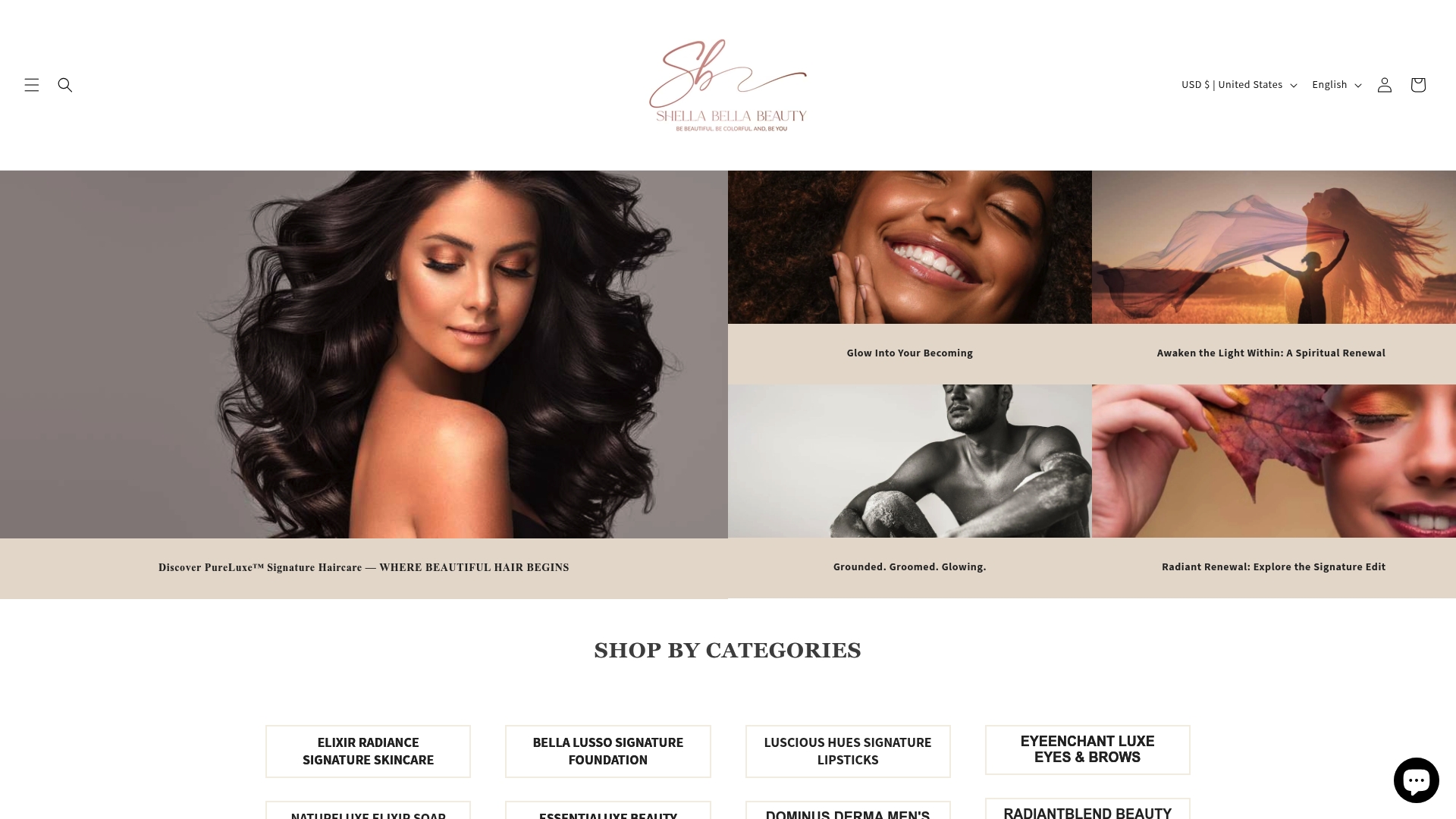
Shellabellabeauty was built on the belief that radiance is inherent, and every product in the collection reflects that conviction. The Renewal and Smoothing Skincare Rituals collection brings together formulations designed to support your skin’s natural repair processes, while the Luscious Hues Collection offers the kind of refined, luminous color that feels like an extension of your natural beauty rather than a mask over it. Explore both and find the pieces that belong in your ritual.
Key Takeaways
Integrative beauty works because it addresses the root causes of skin health — nutrition, sleep, stress, movement, and mindful skincare — rather than treating symptoms in isolation.
| Point | Details |
|---|---|
| Radiance comes from within | Skin reflects internal balance; nutrition, sleep, and stress management shape its appearance more than topical products alone. |
| Stress is the primary barrier | Chronic cortisol elevation degrades collagen, impairs the skin barrier, and worsens inflammatory skin conditions. |
| Ancient traditions and modern science align | Ayurveda, Traditional Chinese Medicine, and contemporary neurocosmetics all point to the same truth: the body functions as a whole. |
| Consistency over quick fixes | Long-term prevention and balanced lifestyle practices produce sustainable radiance; no single product or treatment replicates that. |
| Your environment is part of your routine | Air quality, digital habits, and sleep environment influence skin health in ways that skincare products cannot fully compensate for. |
FAQ
What does holistic beauty mean?
Holistic beauty is an integrative wellness philosophy that treats the whole person — mind, body, and spirit — recognizing that radiant skin is a reflection of internal balance, lifestyle habits, emotional health, and mindful skincare rather than topical treatments alone.
What are holistic beauty products?
Holistic beauty products use clean, organic, bio-active formulas that work with the skin’s biology and microbiome, avoiding synthetic irritants and supporting the skin’s natural function from the outside while complementing internal wellness practices.
What are holistic beauty services?
Holistic beauty services combine facial techniques with wellness coaching, incorporating practices like Gua sha, lymphatic drainage, and aromatherapy massage to calm the nervous system, lower cortisol, and address the lifestyle triggers behind skin conditions.
What is holistic cosmetology?
Holistic cosmetology is a practice that integrates conventional esthetic training with knowledge of nutrition, stress management, emotional wellness, and natural remedies, treating clients as whole people rather than focusing solely on surface-level appearance.
How do I start building a holistic beauty routine?
Begin with one or two foundational habits: consistent sleep, a clean skincare routine practiced with presence, and a small dietary shift toward whole foods. Build gradually, adding movement, stress management, and intentional self-care rituals over time.